

Your cart is empty

In this article
The key points at a glance
- Which magnesium suits you depends mainly on how you like to take it and how well you tolerate it. The authorised health claims for magnesium apply to every form1.
- Citrate and bisglycinate are organic compounds, while oxide is an inorganic one. According to a review, the body appears to absorb the organic forms better2.
- Liposomal magnesium isn’t a compound in its own right but a kind of packaging, an outer envelope. Inside the liposomes you’ll find a compound such as citrate or bisglycinate.
- High amounts from food supplements can have a laxative effect3.
Which magnesium for what?
Many people look for one type of magnesium for their muscles and a different one for their nerves. But it isn’t quite that simple. The authorised health claims apply to magnesium itself, whatever compound it comes in1.
Magnesium contributes to normal muscle function. Magnesium contributes to normal functioning of the nervous system. Magnesium contributes to a reduction of tiredness and fatigue1. This applies equally to citrate, bisglycinate, oxide and liposomal magnesium.
So the forms don’t differ in what your body needs magnesium for. Where they do differ is in what the magnesium is bound to, how well it dissolves, how you take it and how well you tolerate it. In the EU, a large number of magnesium compounds are authorised for use in food supplements, including citrate, bisglycinate and oxide4.
What is magnesium citrate?
Magnesium citrate is a salt of citric acid, and it dissolves well: in a laboratory test, 55% dissolved even in plain water5. You can buy citrate as a powder to stir into a drink, in capsules and as tablets.
That matters for bioavailability. According to the NIH Office of Dietary Supplements, forms that dissolve well in liquid are generally absorbed better, and citrate is one of them3.
What is magnesium bisglycinate?
In magnesium bisglycinate, the magnesium is bound to two molecules of the amino acid glycine. Like citrate, it counts as an organic compound. Bisglycinate comes as a powder, in capsules and in liquid products.
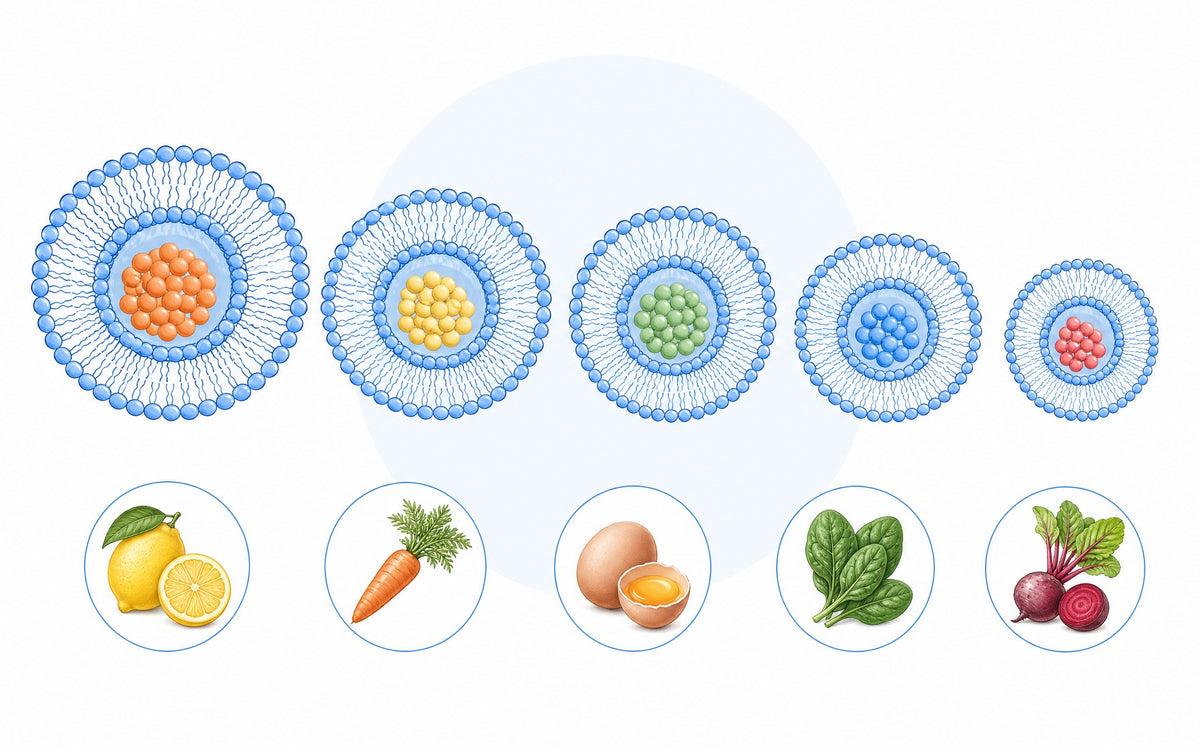
Bisglycinate is also available in liposomal form. The term ‘liposomal magnesium bisglycinate’ means the bisglycinate sits inside liposomes. The compound stays exactly the same: the only thing added is the packaging.
How well is magnesium oxide absorbed?
Magnesium oxide is an inorganic compound of magnesium and oxygen. In the laboratory test it hardly dissolved in water at all, and even in a solution designed to mimic very acidic stomach conditions, only 43% dissolved5. In volunteers, magnesium levels in the urine rose considerably more after citrate than after oxide. The researchers took this as a sign that more magnesium was absorbed from the citrate5.
A systematic review painted a similar picture: inorganic forms seemed to be less available than organic ones, and the proportion absorbed depended on the amount taken2. At the same time, the authors stated that all magnesium preparations can maintain normal levels in healthy people who weren’t deficient to begin with. For older people, and for people whose levels were already low, however, this hasn’t been established2.
What is liposomal magnesium?
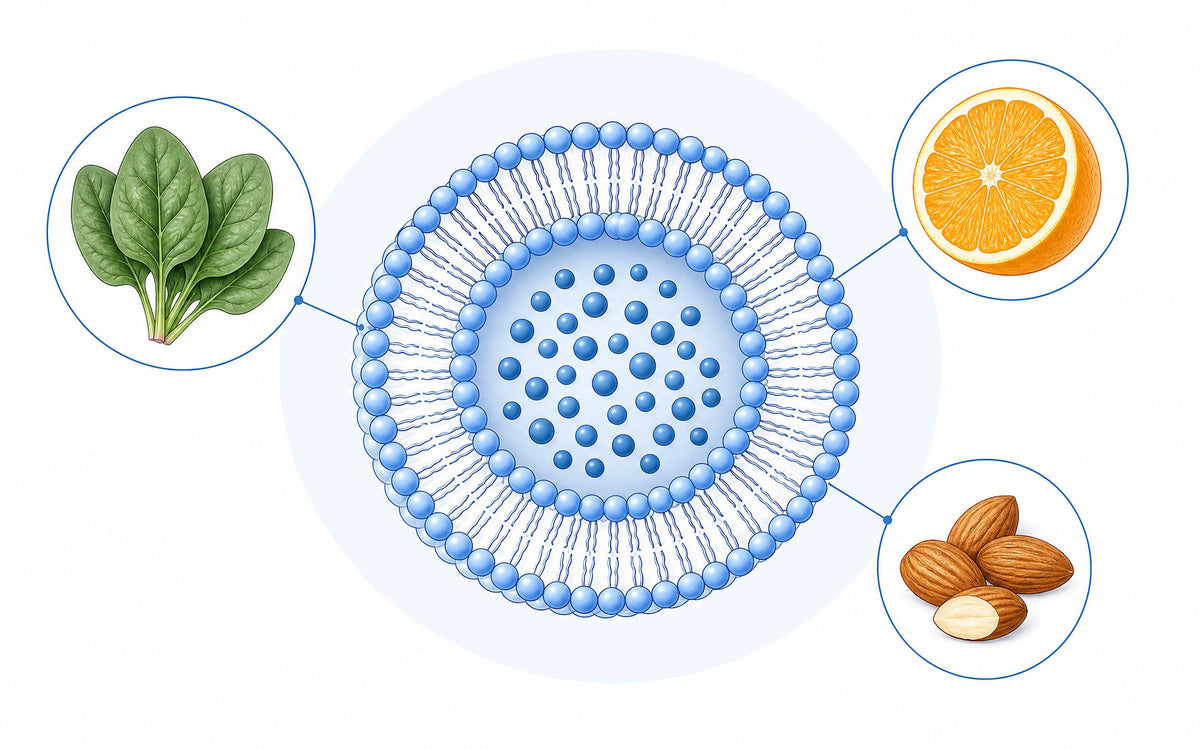
‘Liposomal’ doesn’t describe a magnesium compound of its own, but the packaging. Inside the liposomes there’s a magnesium compound, such as citrate or bisglycinate. The shell of these vesicles is made of phospholipids.
Liposomal magnesium comes as a liquid and in capsules. A liquid lets you fine-tune the dose, while capsules have no taste and are handy when you’re out and about. For a closer look at what the term means, read our article What does ‘liposomal’ mean?
Which magnesium is best for you?
There’s no single magnesium that’s right for everyone. These questions will help you choose.
- How do you want to take it? A powder suits you if you’d like it in a drink, a capsule if you’re on the go, and a liquid if you want to fine-tune the dose.
- Which compound is inside? This is stated on the label, liposomal products included. The name tells you whether it’s an organic compound such as citrate or bisglycinate, or an inorganic one such as oxide.
- How sensitive is your gut? Magnesium is also found in some laxatives, and high amounts from food supplements can have a laxative effect3. See how you get on with your product.
- Do you take other minerals as well? Then it’s worth reading our article Which minerals can you take together? Magnesium, zinc and iron.
Whether to take it in the morning or the evening is covered in our article Magnesium: morning or evening? If you take any medicines, speak to your doctor first. Do not exceed the recommended daily amount.
If you opt for the liposomal form, here’s one detail from Melinava: our liposomal products use phospholipids from sunflowers grown in Europe.
Frequently asked questions about magnesium forms
Which type of magnesium is right for me?
There’s no one form that suits everyone. The authorised health claims apply to every form1. What matters is how well you tolerate your magnesium and how you like to take it: as a powder, a capsule or a liquid.
What is magnesium bisglycinate?
It’s magnesium bound to two molecules of the amino acid glycine. It’s one of the organic magnesium compounds and is authorised in the EU for use in food supplements4.
Is there such a thing as liposomal magnesium bisglycinate?
Yes. In it, the bisglycinate sits inside liposomes. ‘Bisglycinate’ describes the compound and ‘liposomal’ the packaging, and the two can be combined.
Sources
- European Commission (2012). Commission Regulation (EU) No 432/2012 of 16 May 2012 establishing a list of permitted health claims made on foods, other than those referring to the reduction of disease risk and to children’s development and health (consolidated version of 20 August 2025). Link
- Pardo MR, Garicano Vilar E, San Mauro Martín I, Camina Martín MA (2021). Bioavailability of magnesium food supplements: A systematic review. Nutrition 89:111294. DOI
- NIH Office of Dietary Supplements (2026). Magnesium: Health Professional Fact Sheet. Link
- European Parliament and Council of the European Union (2002). Directive 2002/46/EC on food supplements, Annex II (consolidated version of 26 November 2025). Link
- Lindberg JS, Zobitz MM, Poindexter JR, Pak CY (1990). Magnesium bioavailability from magnesium citrate and magnesium oxide. Journal of the American College of Nutrition 9(1):48-55. DOI
This article is for general information only and should not replace medical advice. Food supplements are not a substitute for a balanced and varied diet and a healthy lifestyle.
Written by
Melinava Editorial Team