
Your cart is empty
Melinava Knowledge
Knowledge that sinks in.
Liposomes, nutrients and studies, explained in plain English.
The basics
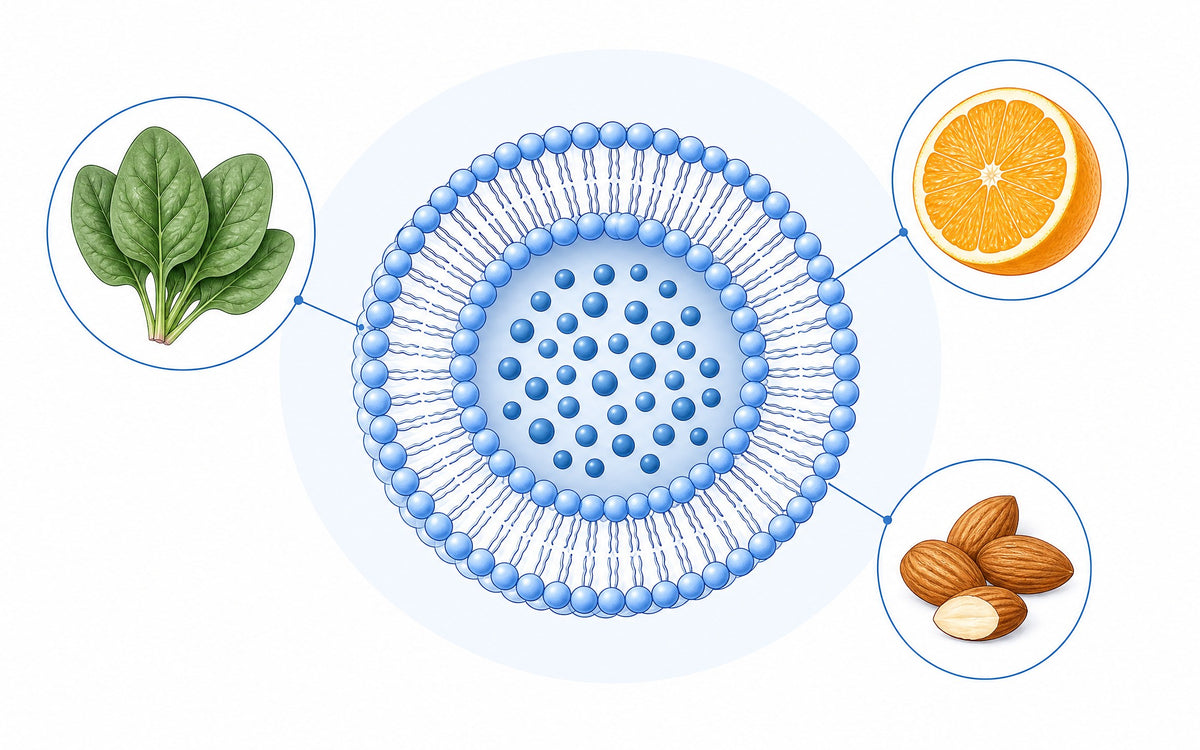
What does liposomal mean? Iron, vitamin C and magnesium explained
What does ‘liposomal’ mean on a pack of iron or vitamin C? In short, the nutrient sits inside tiny vesicles made of phospholipids.
Latest articles
The basics
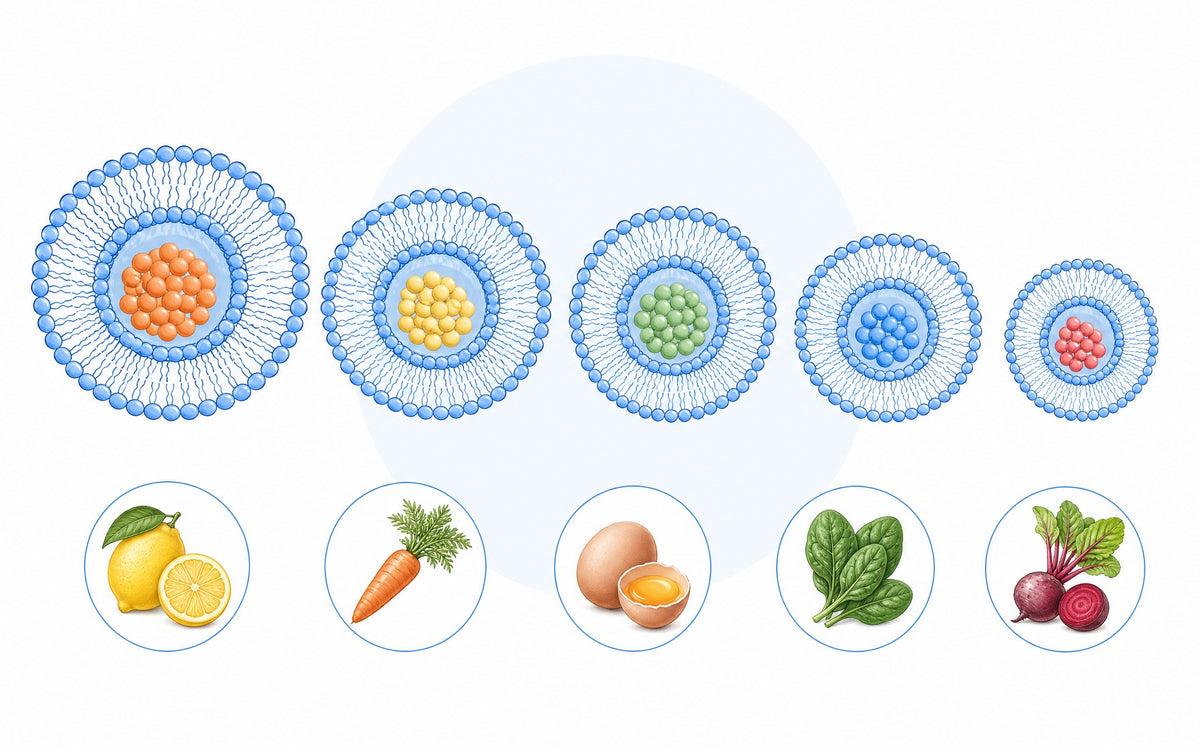
Liposomal vitamins: an overview of the types available
Liposomal vitamins cover the range from C to K. This article shows which ones exist, how they're made up and what studies have measured about them so far.

Common health concerns
How to lower blood pressure: what you can do yourself
High blood pressure doesn’t hurt, so it often goes unnoticed for a long time. Here’s how much difference you can make yourself with salt, weight and exercise, and what studies have found about omega-3.

Ingredient profiles
Ashwagandha uses: what is the root for, and what is KSM-66?
Ashwagandha: what is the root actually used for? We explain where it comes from, what lies behind KSM-66 and what studies have measured so far.
Studies explained
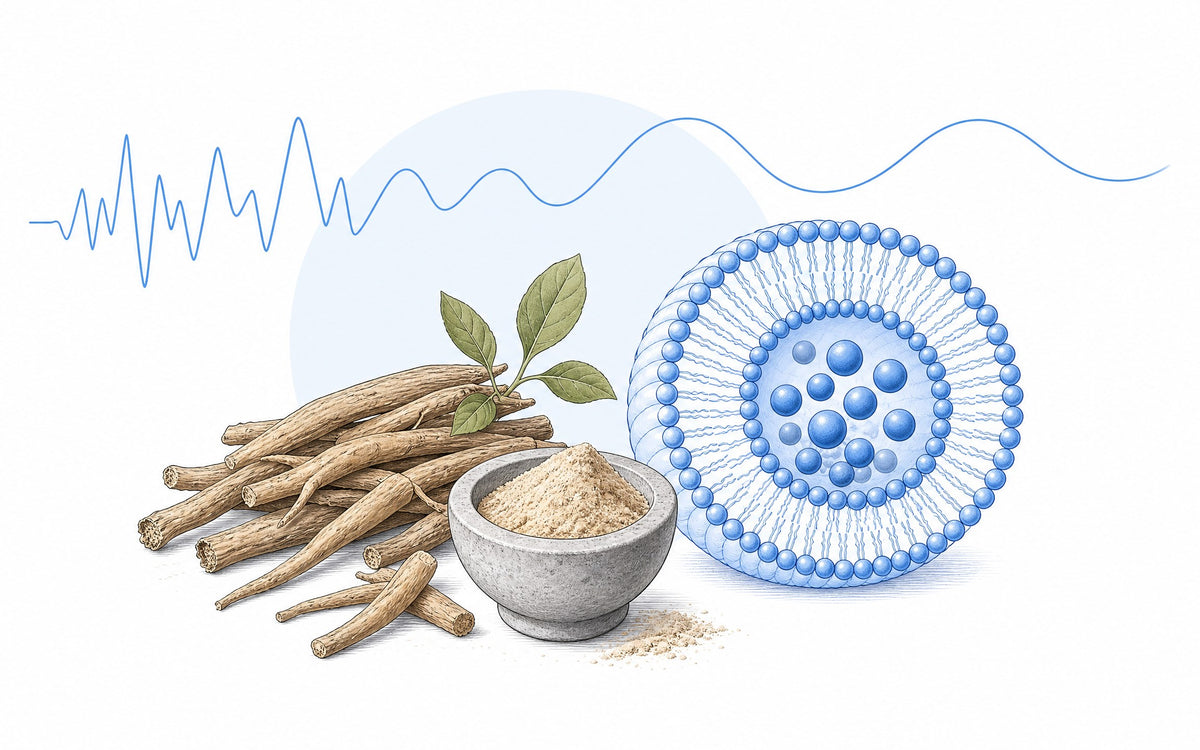
Ashwagandha studies: what they measured on cortisol and stress
Ashwagandha and cortisol often come up together. Here’s what the studies on ashwagandha actually measured, and how reliable their results are.
Dosage and use
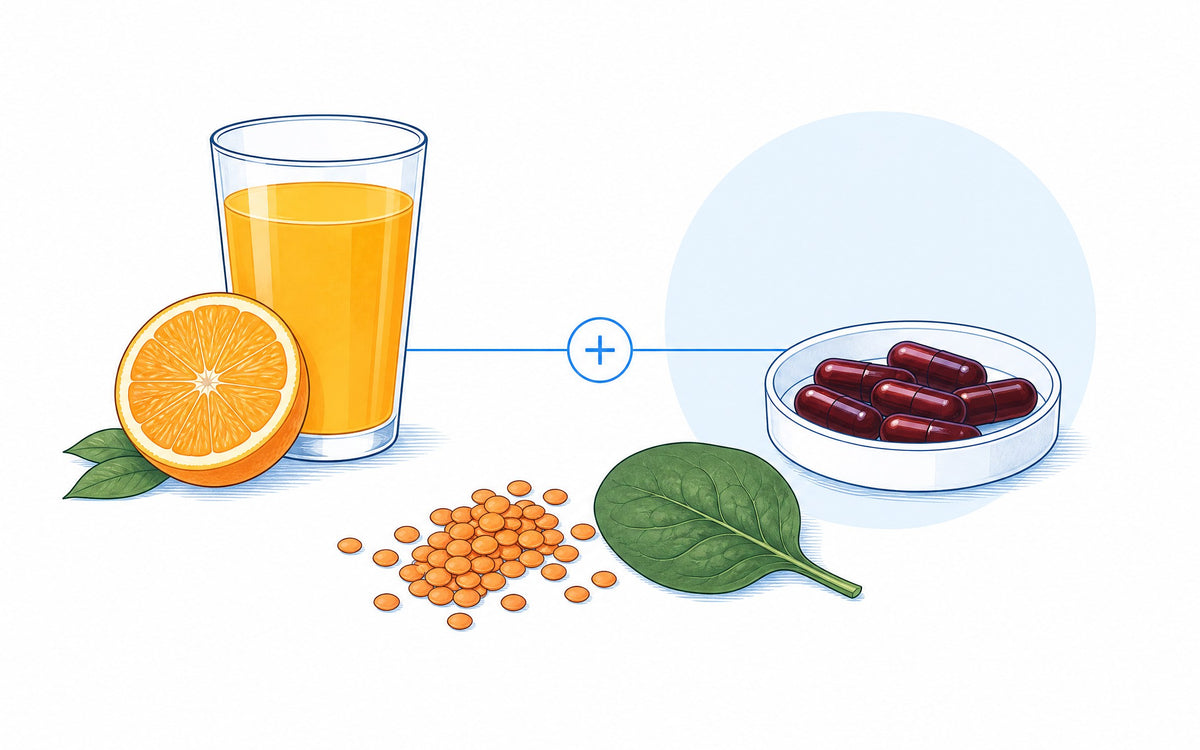
Taking iron with vitamin C: does the advice hold up?
Taking iron with vitamin C is long-standing advice, and it’s right. Studies show how much vitamin C you need, what slows absorption and which time of day suits best.
Comparisons
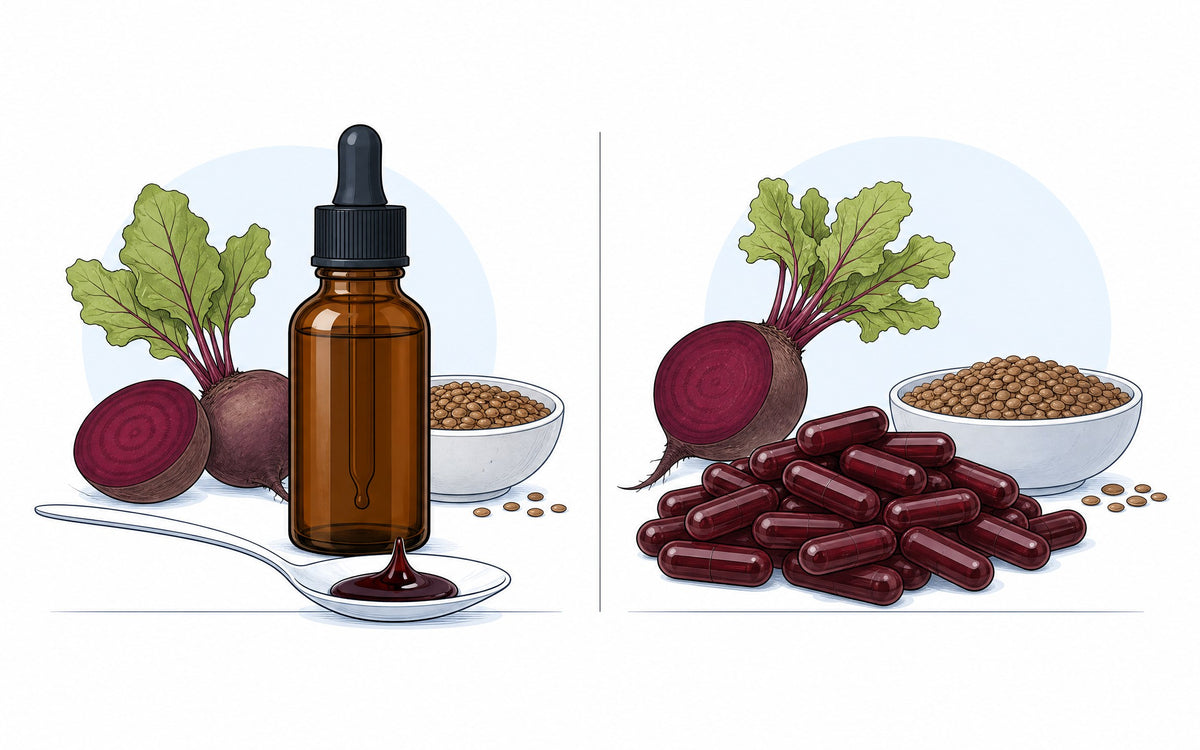
Iron drops or capsules? Liposomal iron and classic tablets compared
Whether drops or capsules suit you better depends less on the form than on the iron compound inside. An overview of tablets, drops and liposomal iron.
Myths and facts
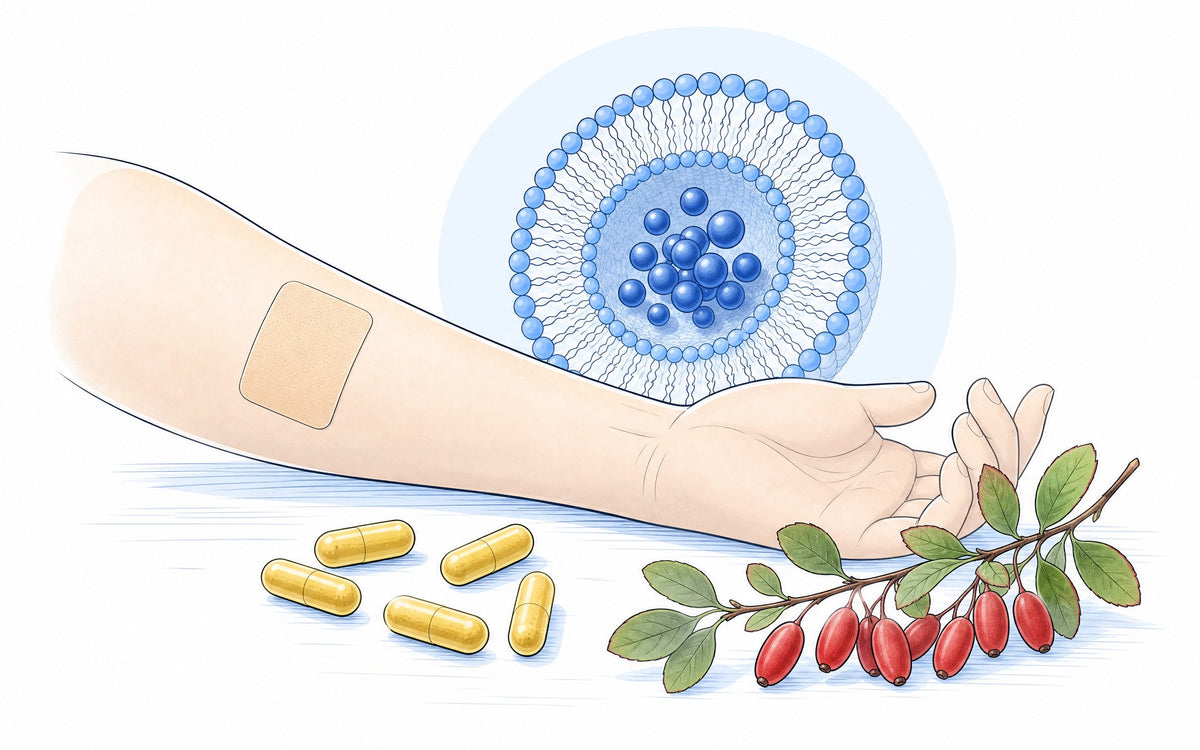
Berberine patch: what’s really behind the trend?
Sticking on a berberine patch instead of swallowing capsules sounds convenient. We looked at whether any berberine from a patch actually gets into the body.
The basics
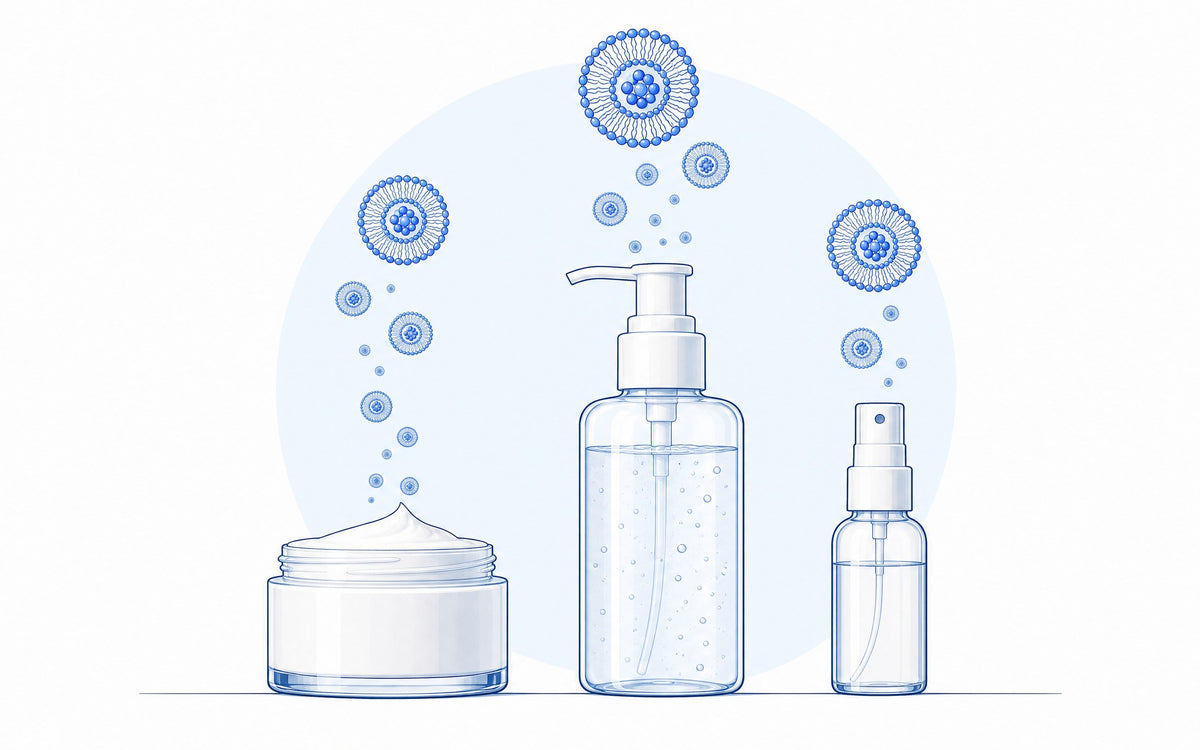
Liposome cream, gel and eye spray: one principle, different places
A liposome cream works on the same principle as liposomal food supplements: tiny vesicles made of phospholipids. Here’s how liposomes are used in creams, gels and sprays.
Common health concerns
Tired all the time? Causes and the nutrients that play a role
Tired for weeks, even though you’re sleeping? Find out where constant tiredness can come from, what your GP checks, and what role iron, vitamin B12, magnesium and vitamin D play.
Ingredient profiles
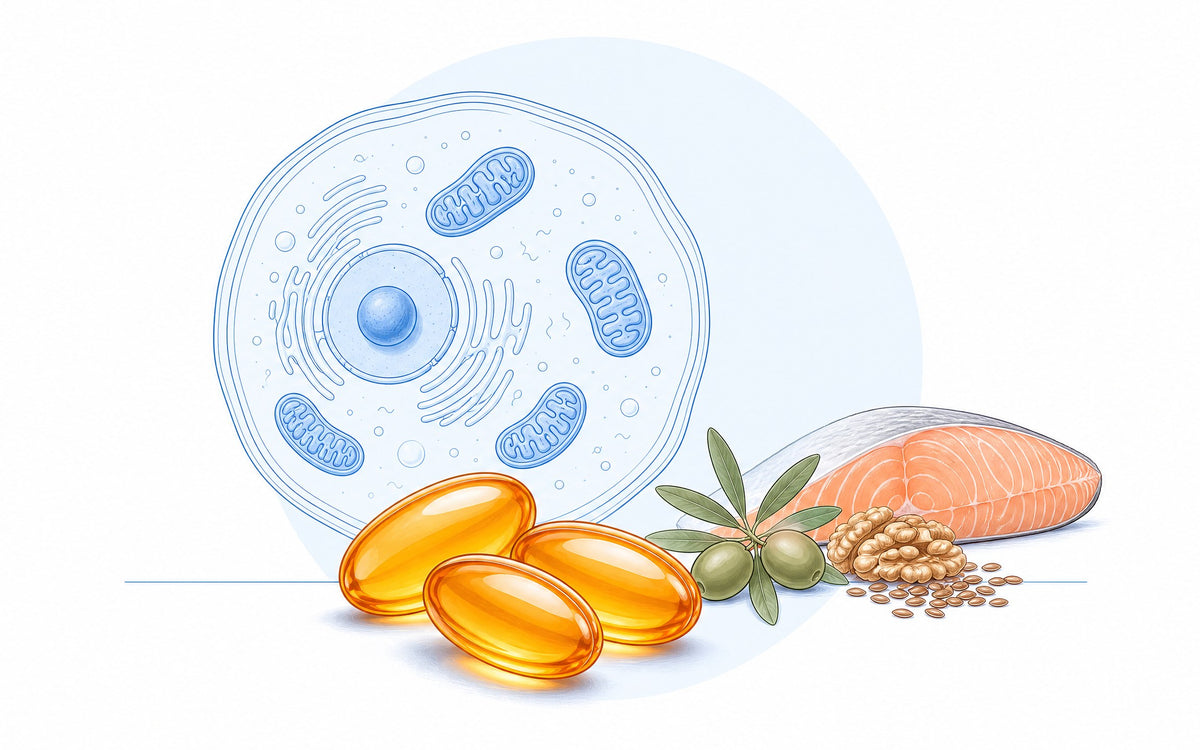
Coenzyme Q10: what it does, which form and how to take it
Your body makes Q10 itself, but less of it as you get older. Find out how ubiquinone differs from ubiquinol and what studies have measured for liposomal Q10.
Studies explained
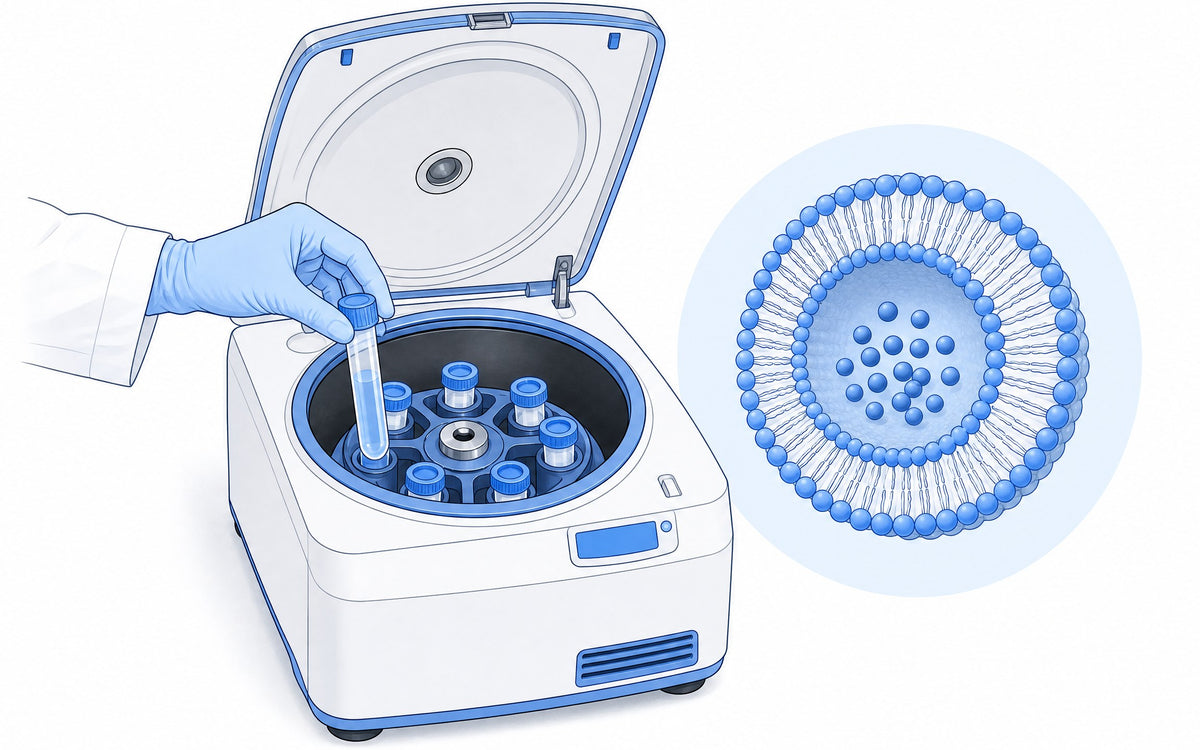
Oral glutathione absorption: what the studies show
Does glutathione taken by mouth actually reach your bloodstream? We look at what the studies measured, from a single dose to six months of daily use.
Dosage and use
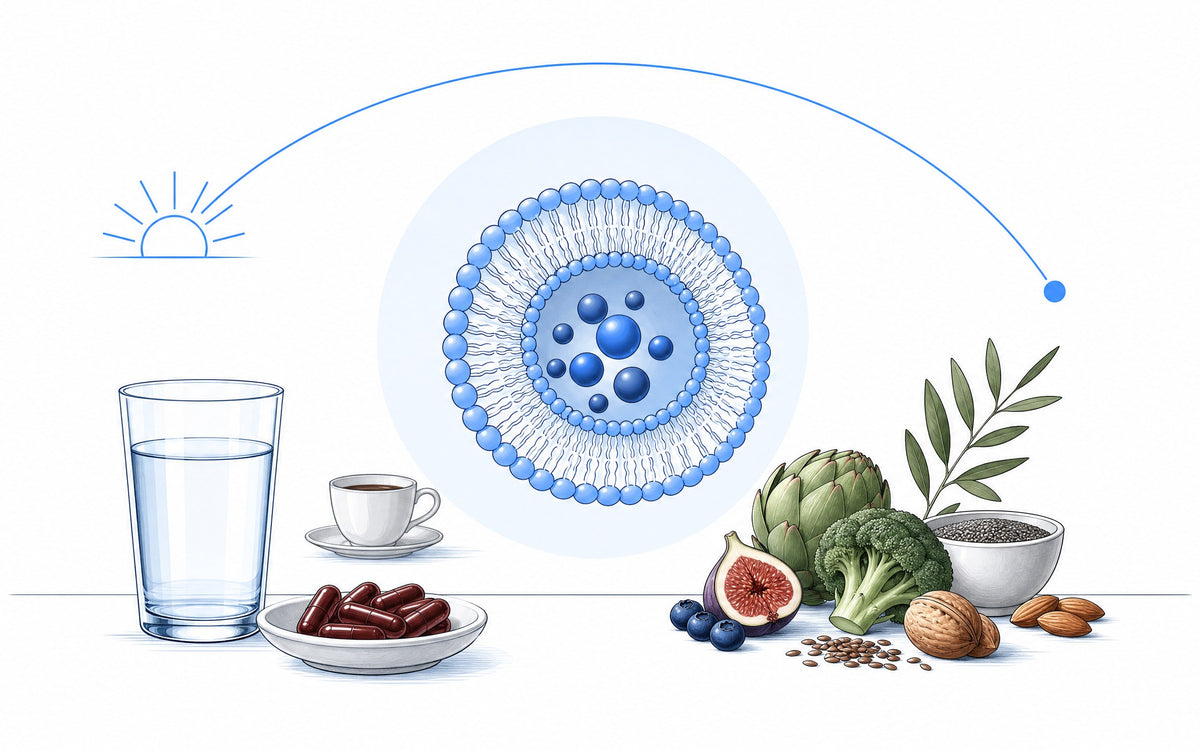
When to take iron: morning, evening or with a meal?
Morning or evening, on an empty stomach or with breakfast: when you take iron makes a measurable difference. Here’s what the studies found.
Comparisons
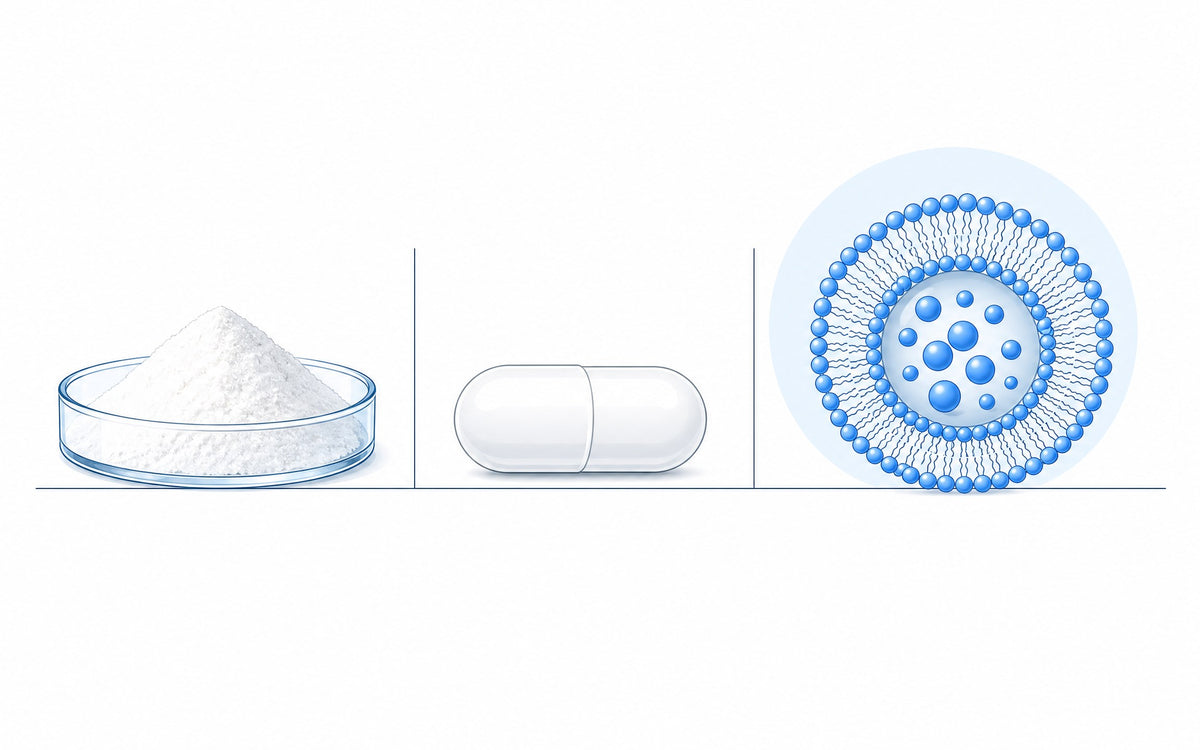
Liposomal, reduced or S-acetyl glutathione: which one?
With glutathione, you’ll come across three terms: reduced, liposomal and S-acetyl. We explain what each one means and what studies have measured for each.
Myths and facts
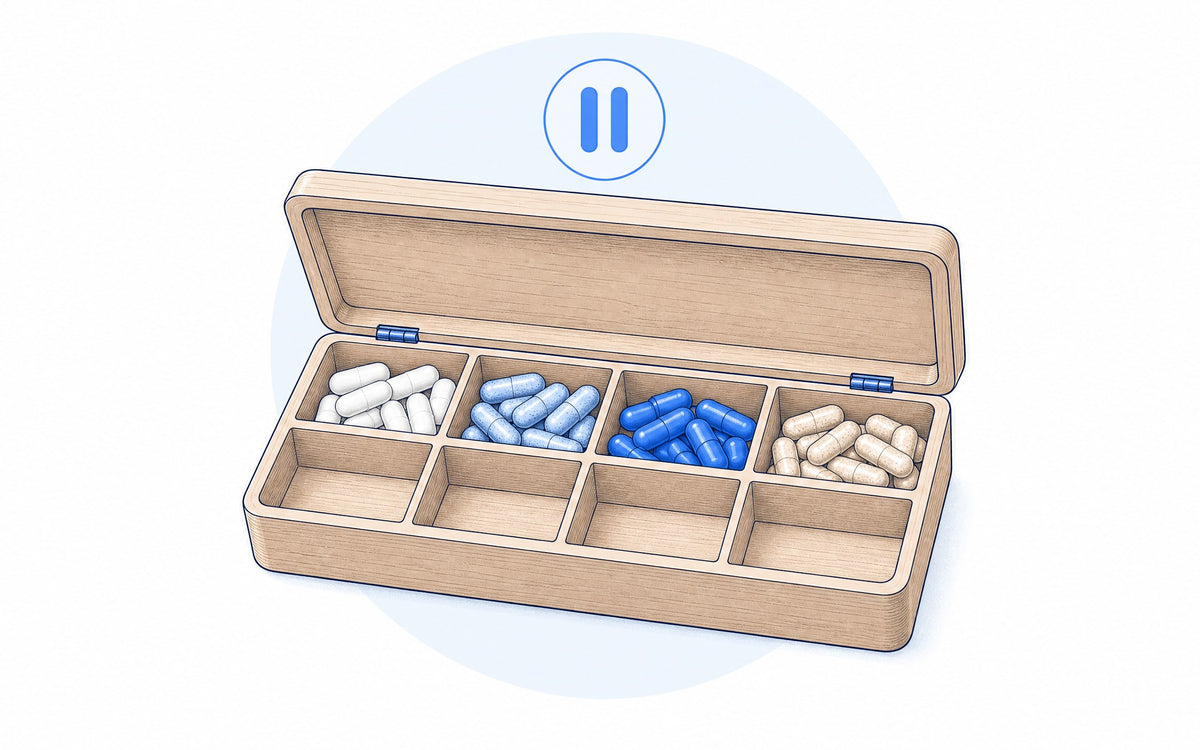
Taking vitamins long-term or taking breaks: the fact check
Many people wonder whether they can take a supplement continuously or should take a break now and then. The answer depends less on the calendar than on the substance and the amount.
The basics
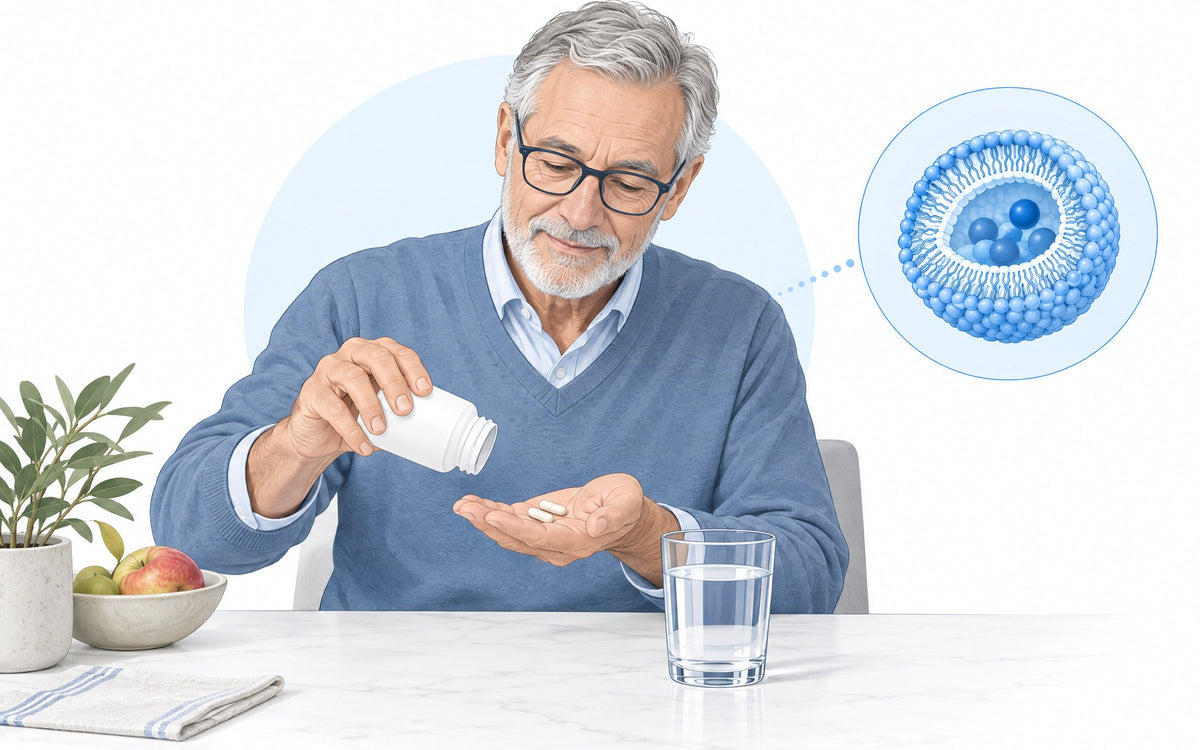
How to take supplements: the key things to know
With or without food? Morning or evening? With your coffee, or best avoided? If you want to take supplements correctly, there are only a few rules you need to know.

Common health concerns
How to lower cortisol: what stress does to your body and what helps
Cortisol is known as the stress hormone, yet your body needs it every day. Here's what it does, when too much of it is a matter for your doctor, and what you can do yourself to ease stress.

Ingredient profiles
L-theanine effects and GABA: what are these substances?
GABA is a chemical messenger in the nervous system, and L-theanine is an amino acid from the tea leaf. Here’s what each one is and what human studies have measured.
Studies explained
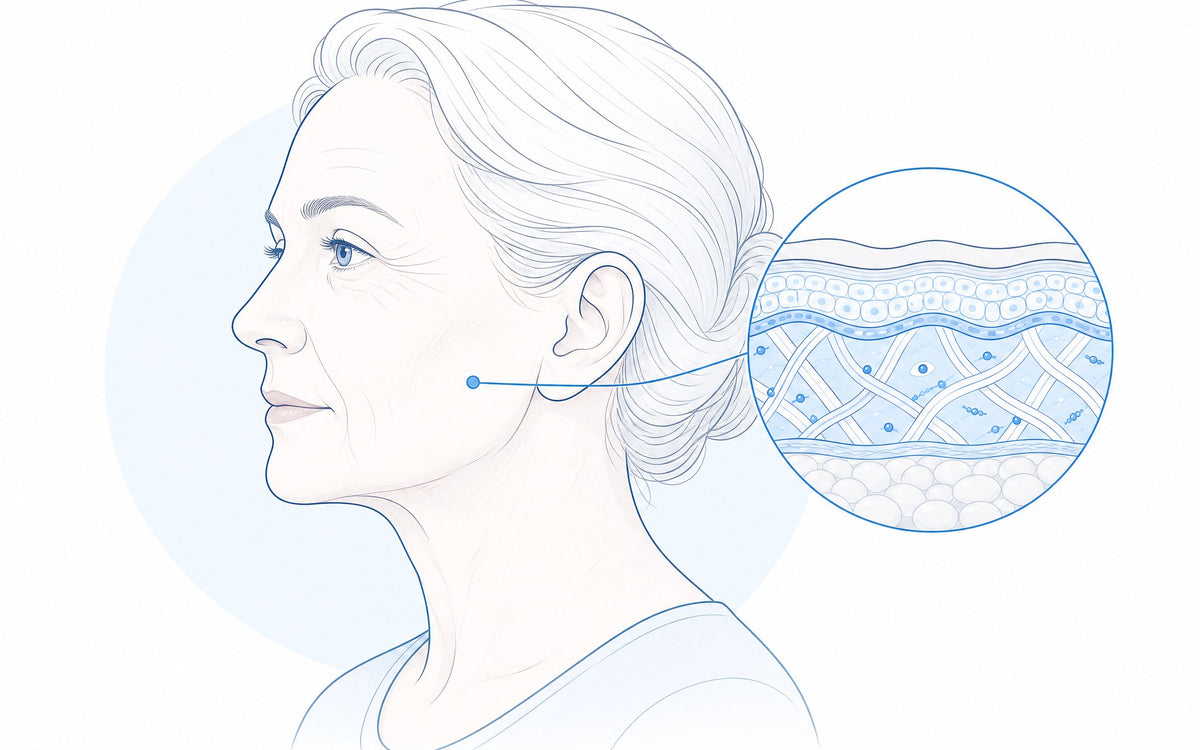
Collagen studies on skin: wrinkles and the Kiel study explained
If you look into collagen, you’ll soon come across the Kiel study. We explain what it and other collagen studies looked at, and how solid the results are.
Dosage and use
When to take glutathione: is there a right time of day?
There’s plenty of advice on when to take glutathione, but little evidence behind it. Here’s what the studies actually support.
Comparisons
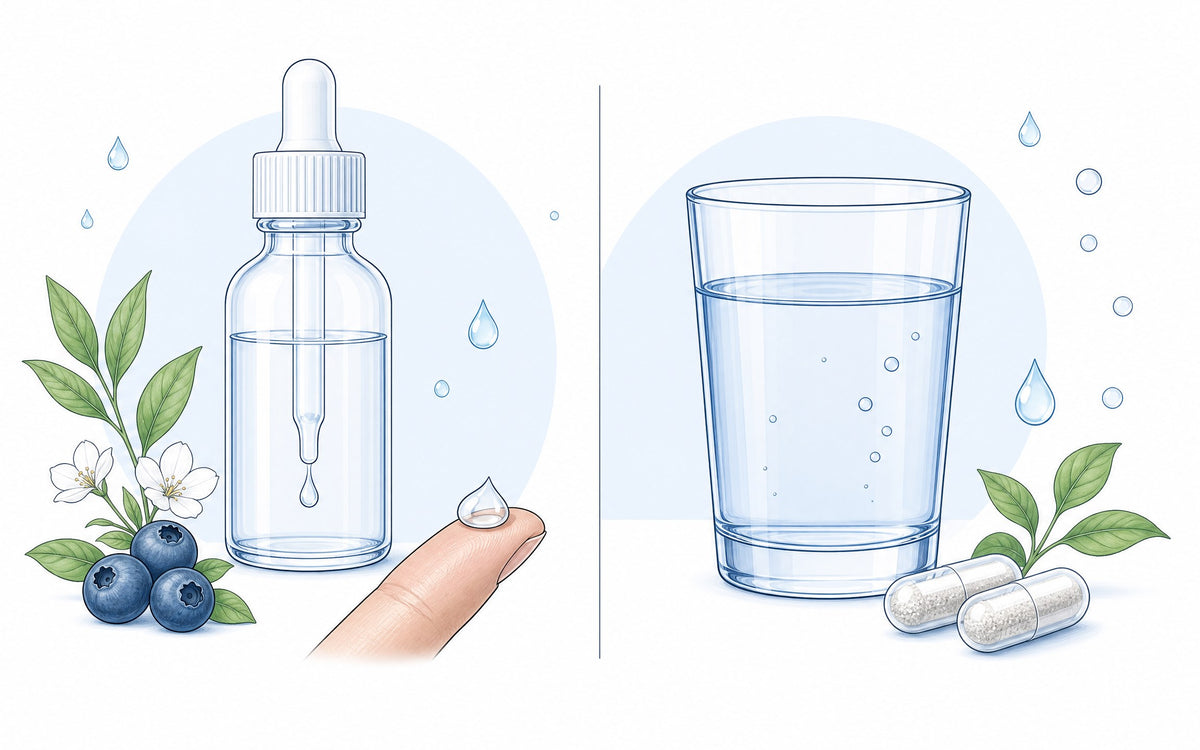
Hyaluronic acid: take it orally or apply it to your skin?
Hyaluronic acid comes in serums and creams, and also in capsules and liquids you swallow. Here’s what happens when you apply it, what happens when you take it, and what studies measured for each.
Myths and facts
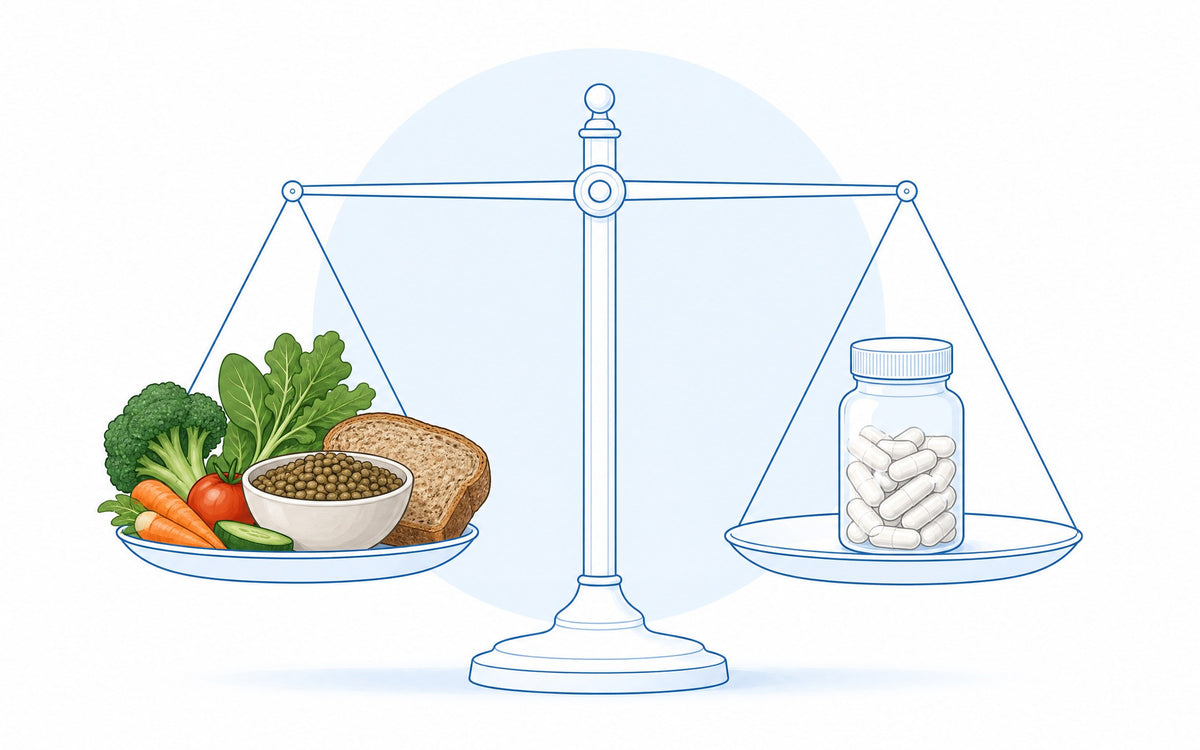
Taking supplements if you’re not deficient: worthwhile or pointless?
Is it worth taking vitamins or minerals if you’re not deficient? The honest answer lies somewhere between ‘pointless’ and ‘it can’t do any harm’.
The basics
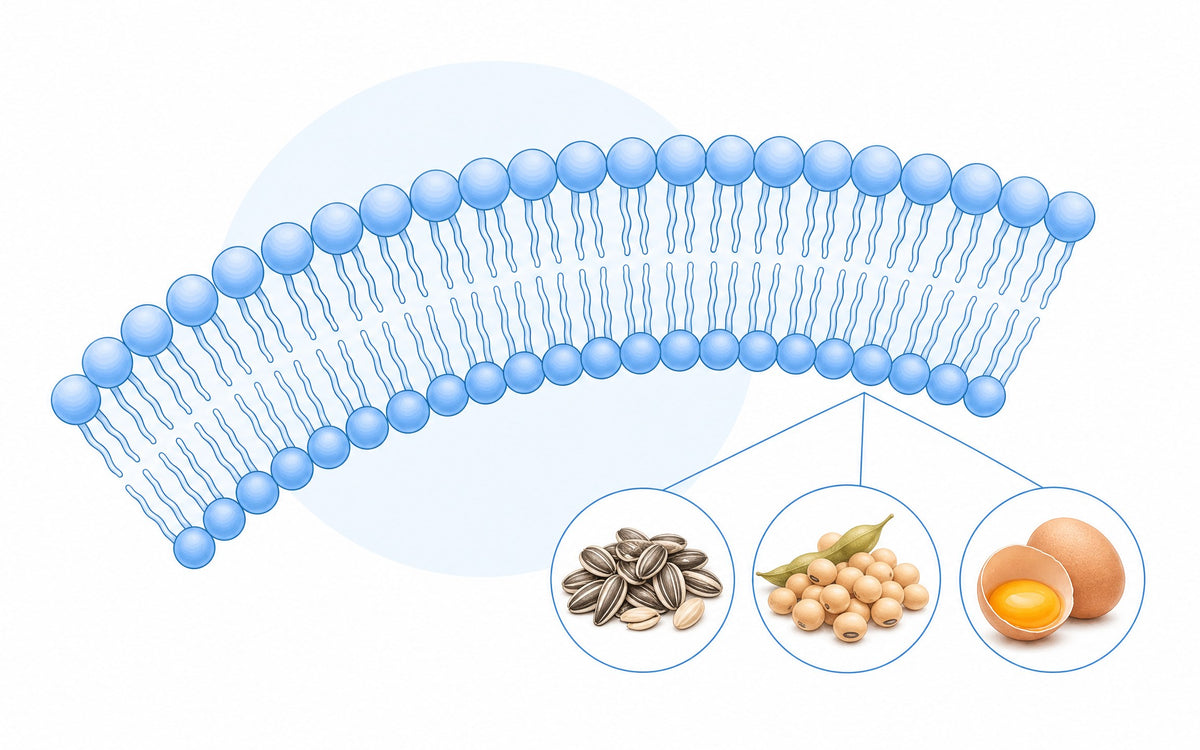
Phospholipids: the building blocks liposomes are made from
Phospholipids make up the outer membrane of every cell in the body and the shell of every liposome. Here’s how they’re built, where they come from and what they do in food supplements.

Common health concerns
What helps heartburn? Causes, tips and nutrients
Many people know that burning feeling behind the breastbone after a meal. Find out what you can do yourself, what studies say about the well-known tips and when heartburn needs a doctor.
Ingredient profiles
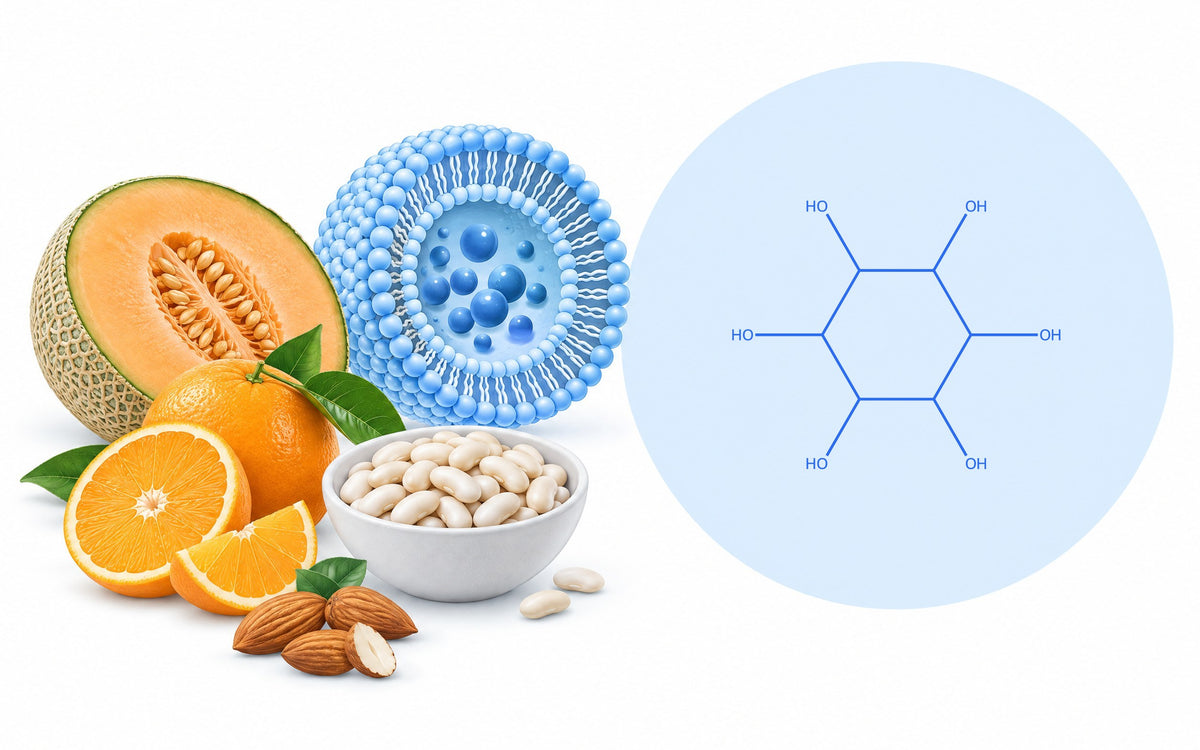
Inositol benefits? What myo-inositol is, in plain English
Your body makes inositol itself, and many foods contain it too. Find out what myo-inositol is, where it comes from and what’s known about taking it.
Studies explained
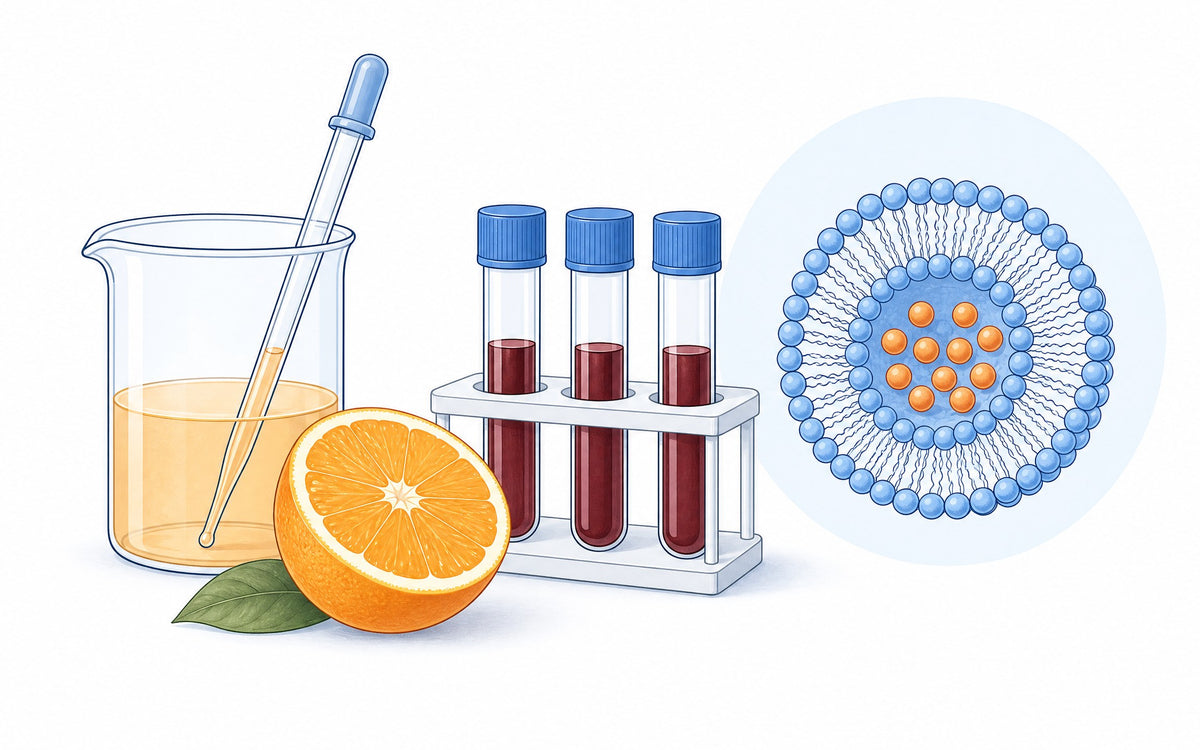
Liposomal vitamin C studies: effects and evidence explained
Liposomal vitamin C is said to get more of the vitamin into your blood. We look at what the studies support: who took part, what was measured and where the limits lie.
Dosage and use
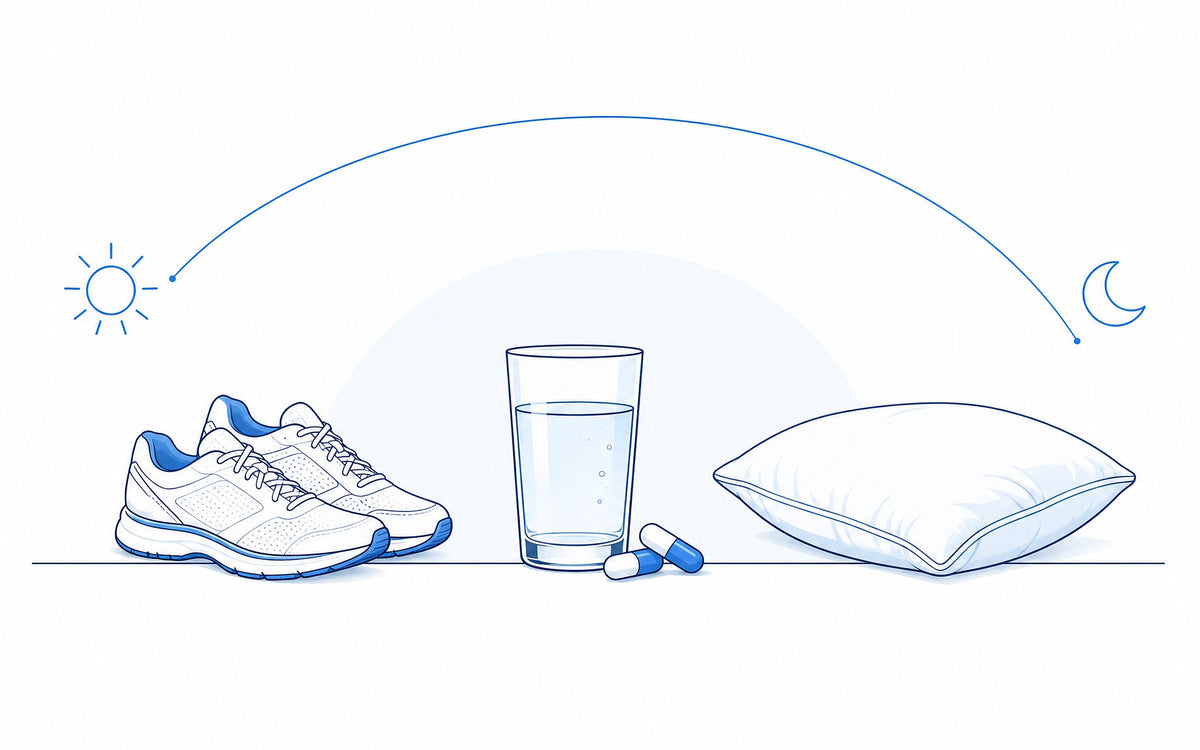
When to take magnesium: morning, evening or with food?
Morning, evening or before exercise? The time you take magnesium matters less than many people think. Here’s what studies on absorption actually show.
Comparisons
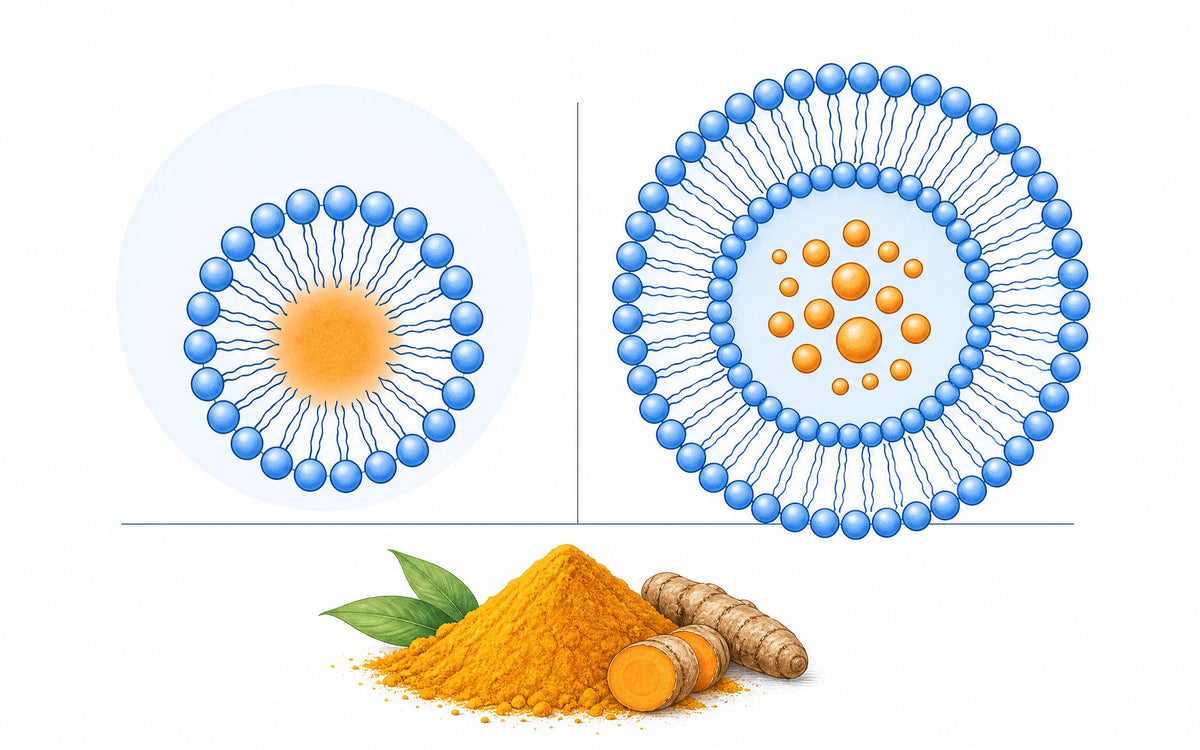
Micellar or liposomal curcumin: what’s the difference?
Micellar and liposomal curcumin tackle the same problem: curcumin barely dissolves in water. Here’s how the two forms differ in structure and what to look for when you choose.
Myths and facts
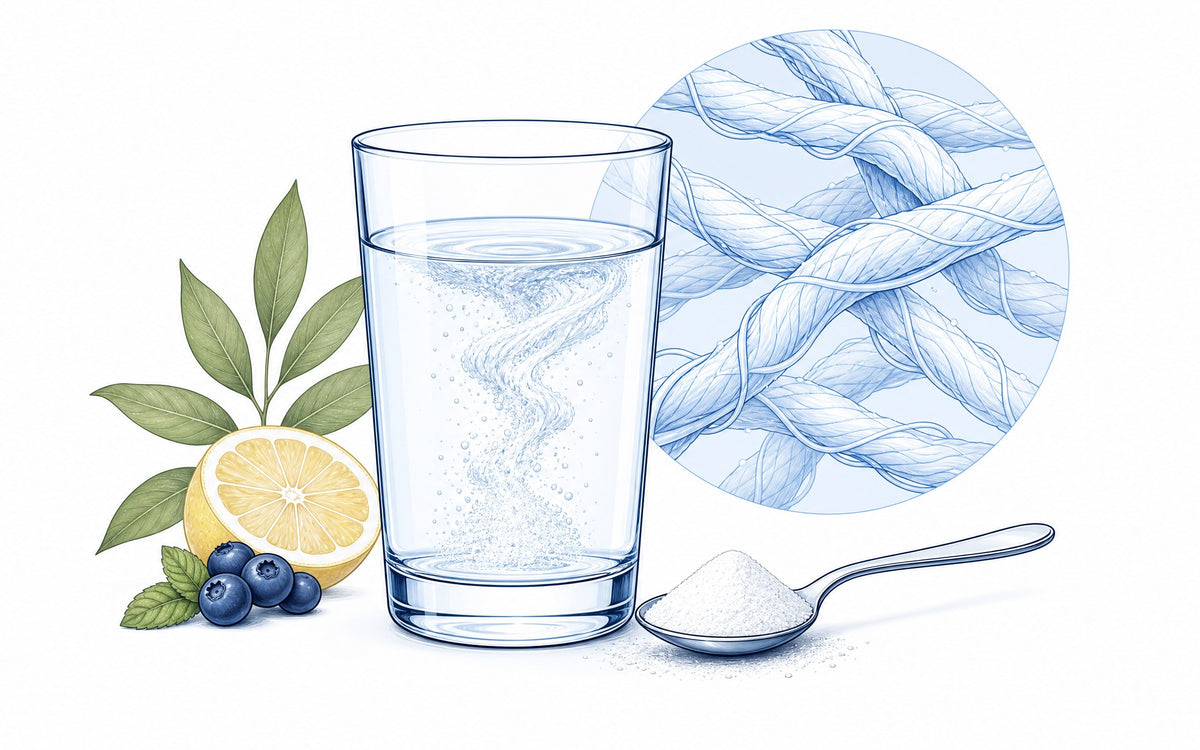
Does taking collagen work? What the studies show
Does taking collagen actually do anything, or is it simply digested? We look at what studies have measured, what may legally be claimed and where the results fall short.
Ingredient profiles
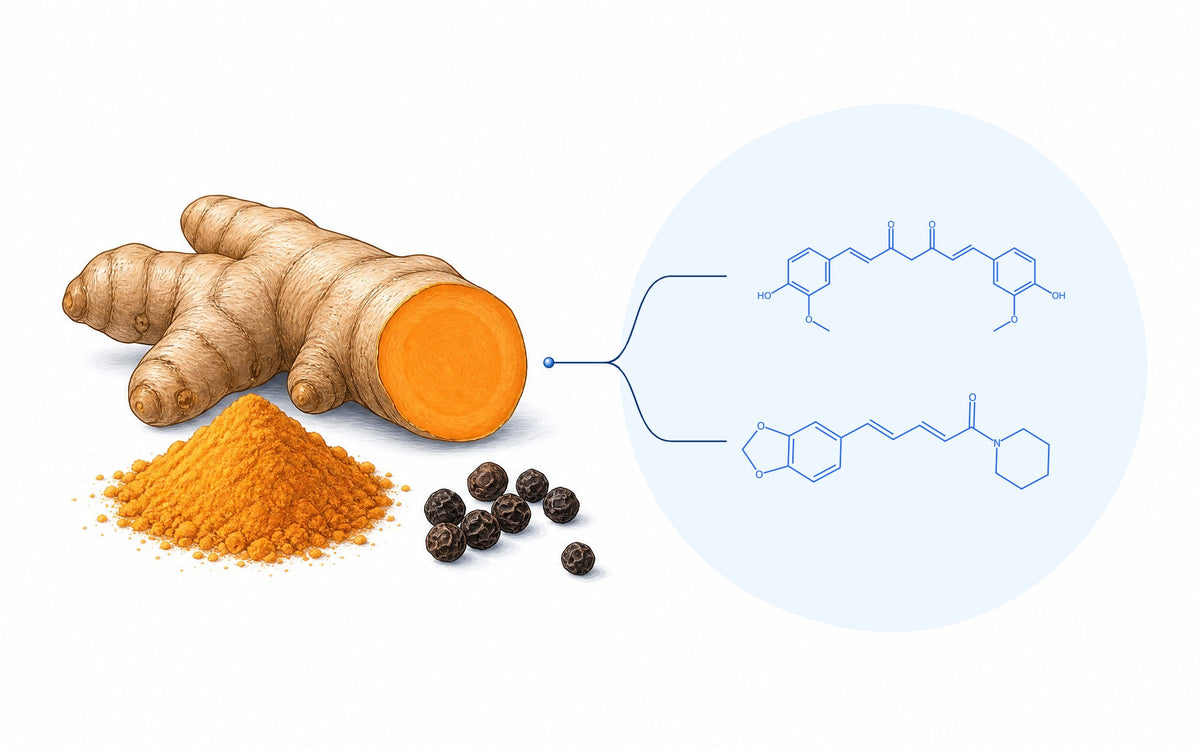
Turmeric with black pepper: curcumin and piperine explained
Turmeric, curcumin and piperine are easily confused. We explain what each one is and why turmeric is so often sold with black pepper.

Studies explained
Which magnesium is good for sleep? What the studies have looked at
Many people see magnesium as a mineral for the evening. We show what studies on magnesium and sleep actually measured, and how solid the results are.
Comparisons
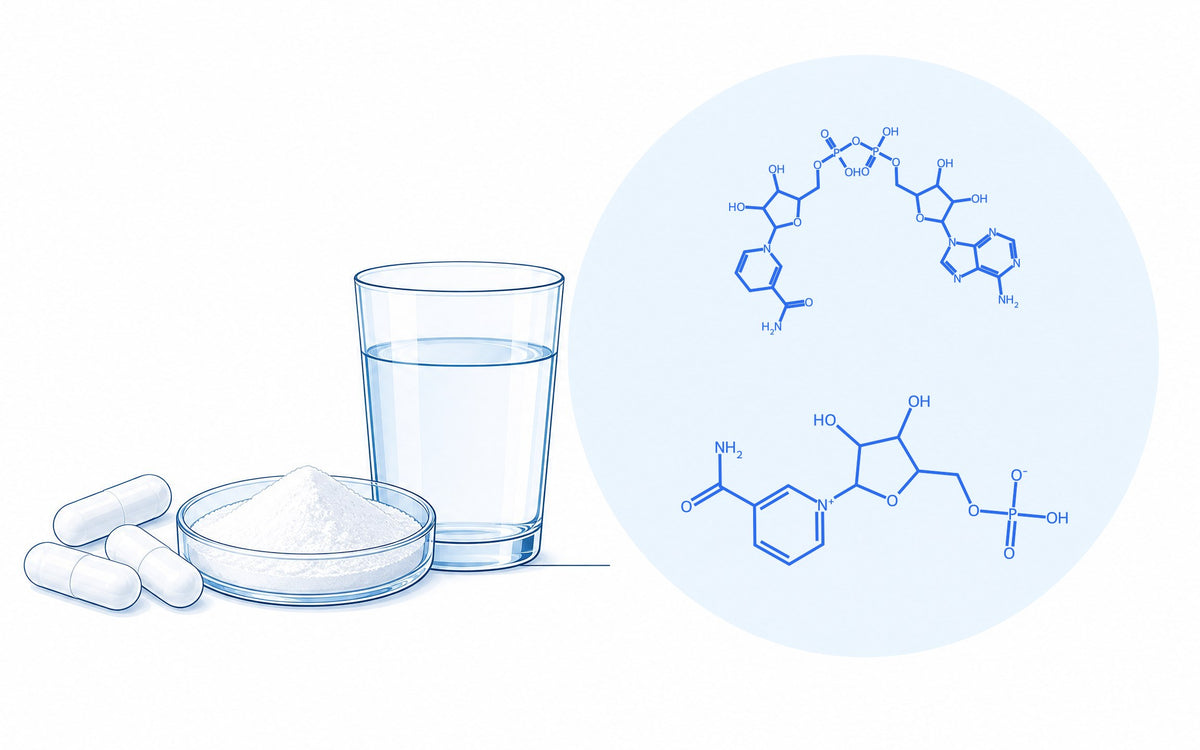
Should you take NAD or NADH? A simple guide to how NMN differs
NAD, NADH, NMN: the abbreviations look alike but mean different things. Here’s what each molecule is and what to look out for when you’re choosing a product.
Myths and facts
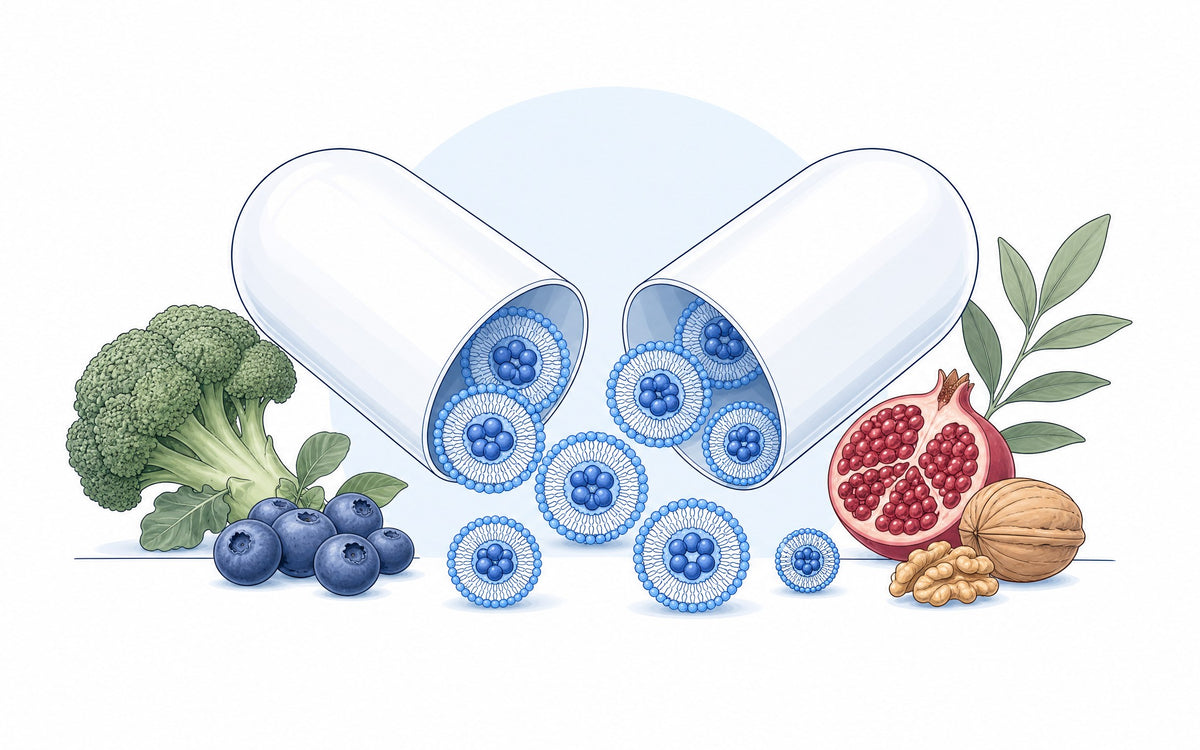
Liposomal or capsules? Why it isn’t an either-or choice
Many people think they have to choose between liposomal supplements and capsules. In fact, the two terms describe completely different things, and they combine well.
Ingredient profiles
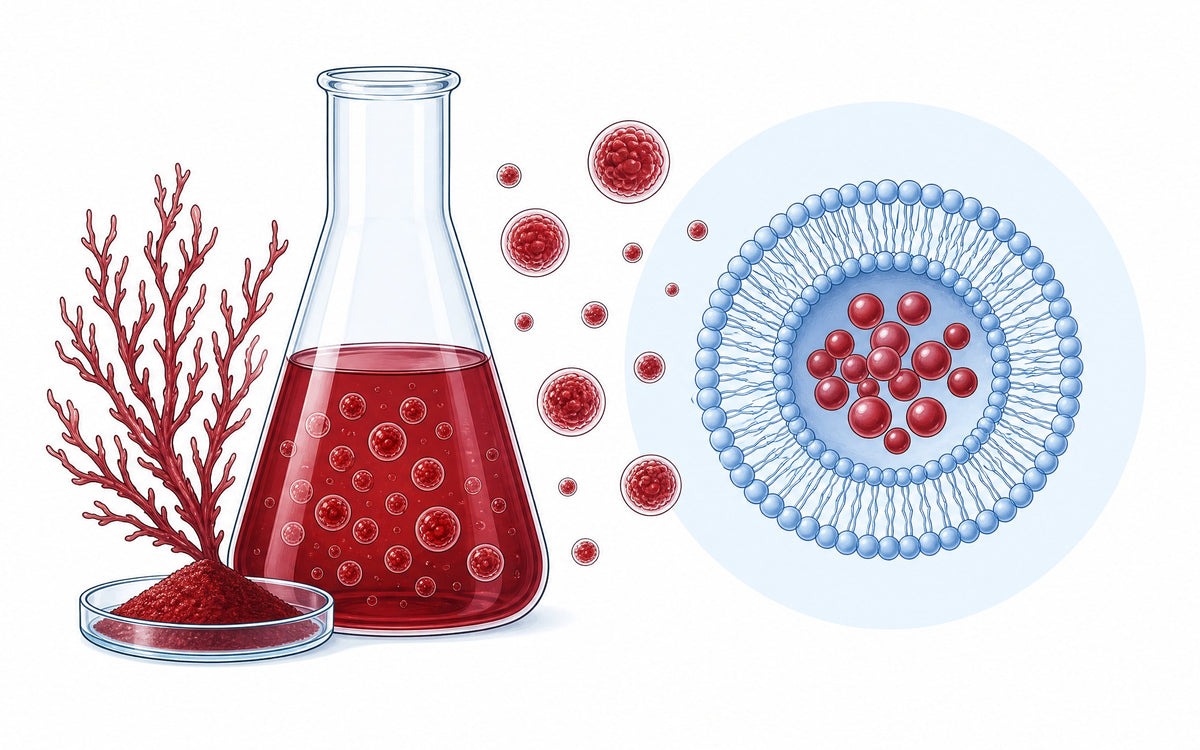
Astaxanthin benefits: liposomal astaxanthin and what studies show
Liposomal astaxanthin combines a red pigment from algae with a shell made of phospholipids. We explain why fat matters for absorption and what studies have measured.

Studies explained
Omega-3 study from Zurich: which trial it is and what's behind it
A large study from Zurich followed more than 2,000 people aged 70 and over for three years to test omega-3. We explain what it measured and what the results mean for biological age.
Dosage and use
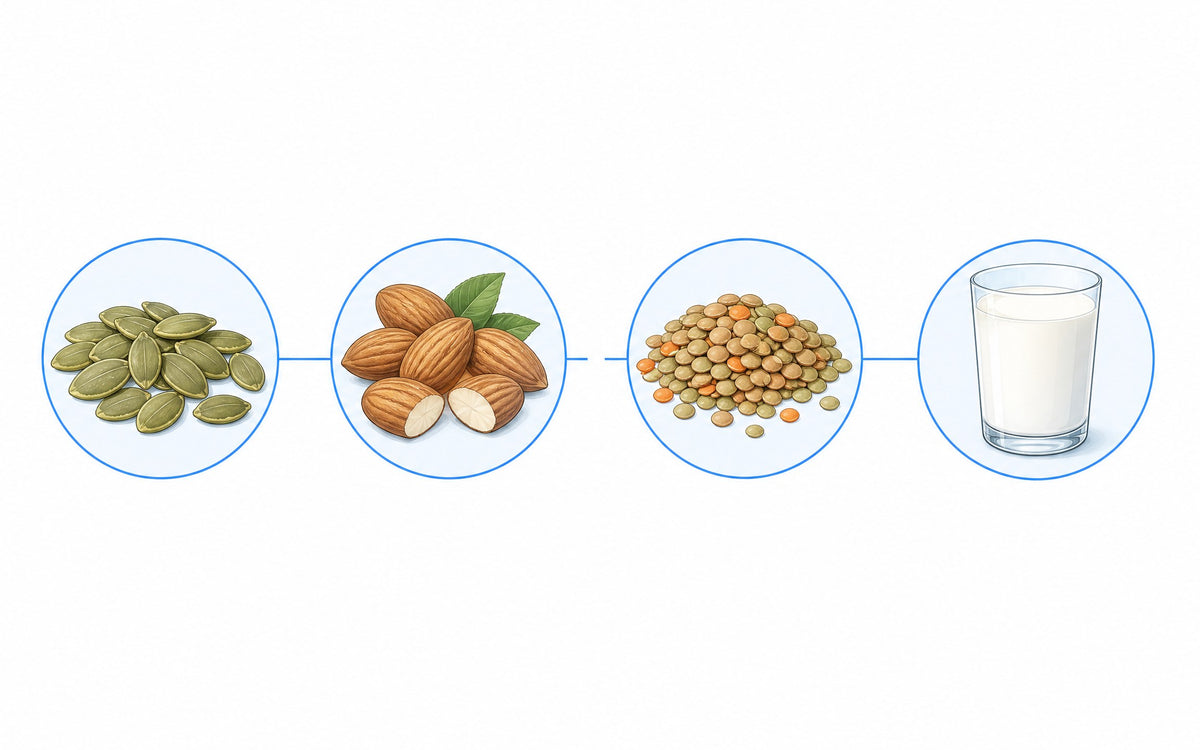
Taking magnesium and zinc together, and what about iron and calcium?
Many minerals share similar routes of absorption in the gut. Here are the combinations the studies show work well together, and when it’s better to take them at different times of day.

Comparisons
Vitamin C for skin: why it matters, and serum or capsules?
You’ll find vitamin C in serums and in capsules. Here’s why your skin needs it, how it gets there and how to choose between a serum and capsules.
The basics
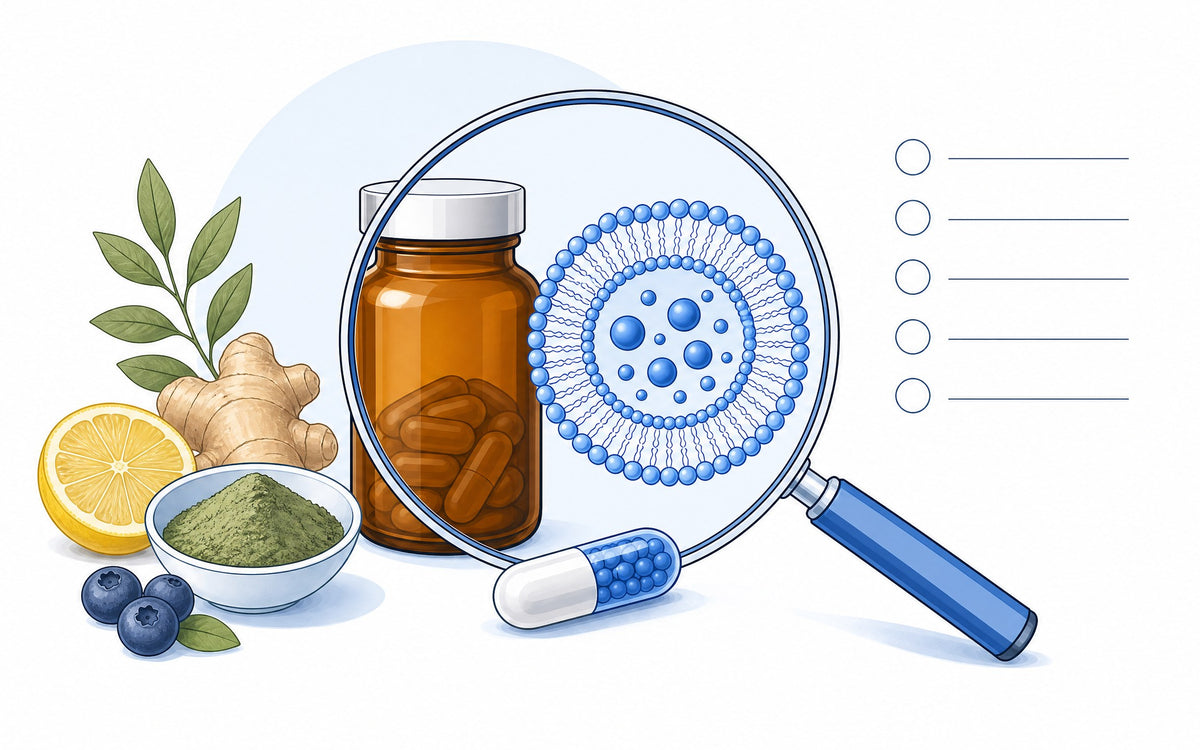
Which is the best liposomal vitamin C? Six points to check
No test can tell you which liposomal vitamin C is best across the board. But six points on the label and product page show you whether a product has been carefully made.
Ingredient profiles
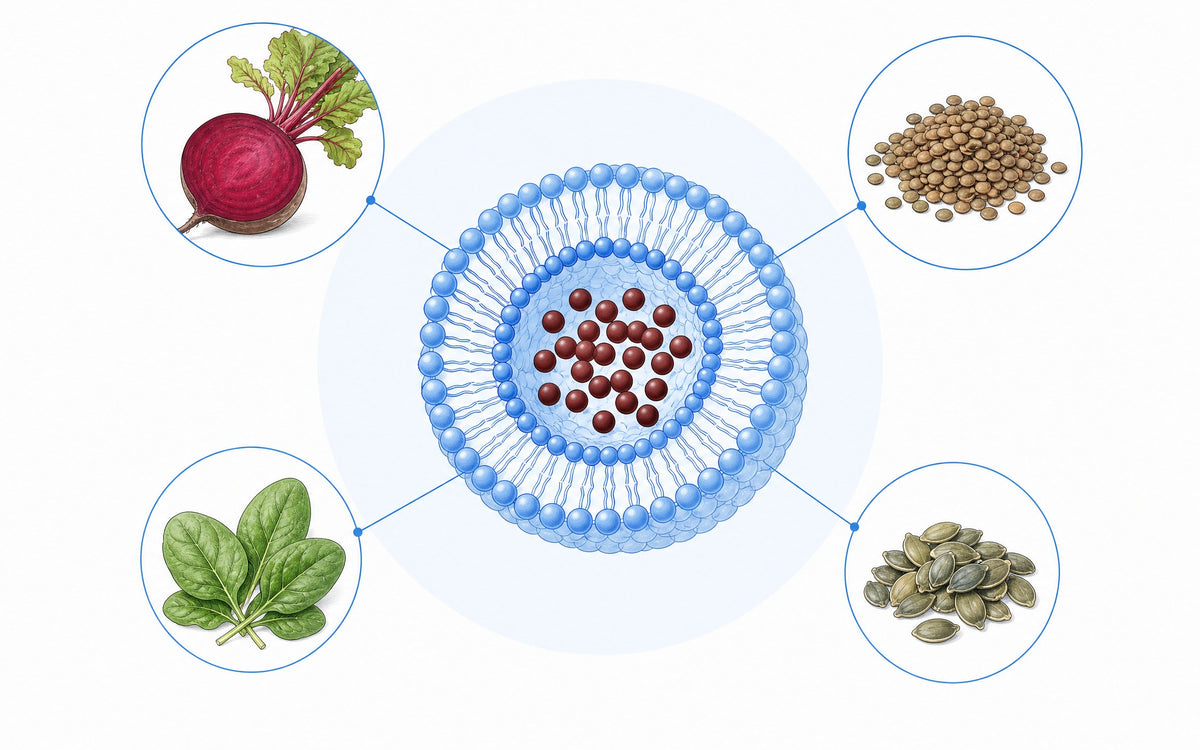
Liposomal iron: how it works and why this form exists
Liposomal iron is iron enclosed in tiny vesicles made of phospholipids. We explain why this form exists, what studies have measured and what you should look out for.

Studies explained
How to read supplement studies: a practical guide to the evidence
Coenzyme Q10, zinc or quercetin: ‘the evidence’ comes up everywhere. We show you what to look out for when you read studies on food supplements.
Dosage and use
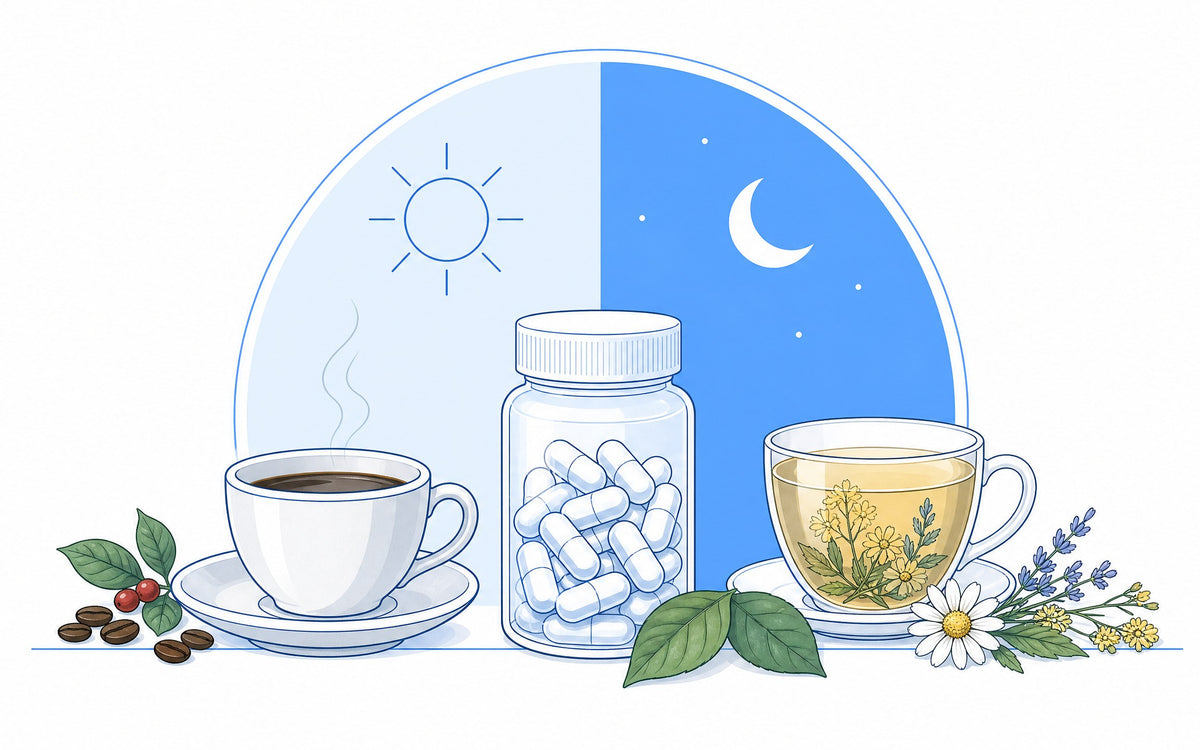
Supplements: morning or evening? From ashwagandha to turmeric
For most supplements, no particular time of day has been proven. We show what studies reveal all the same, and which criteria you can use to decide.
Comparisons
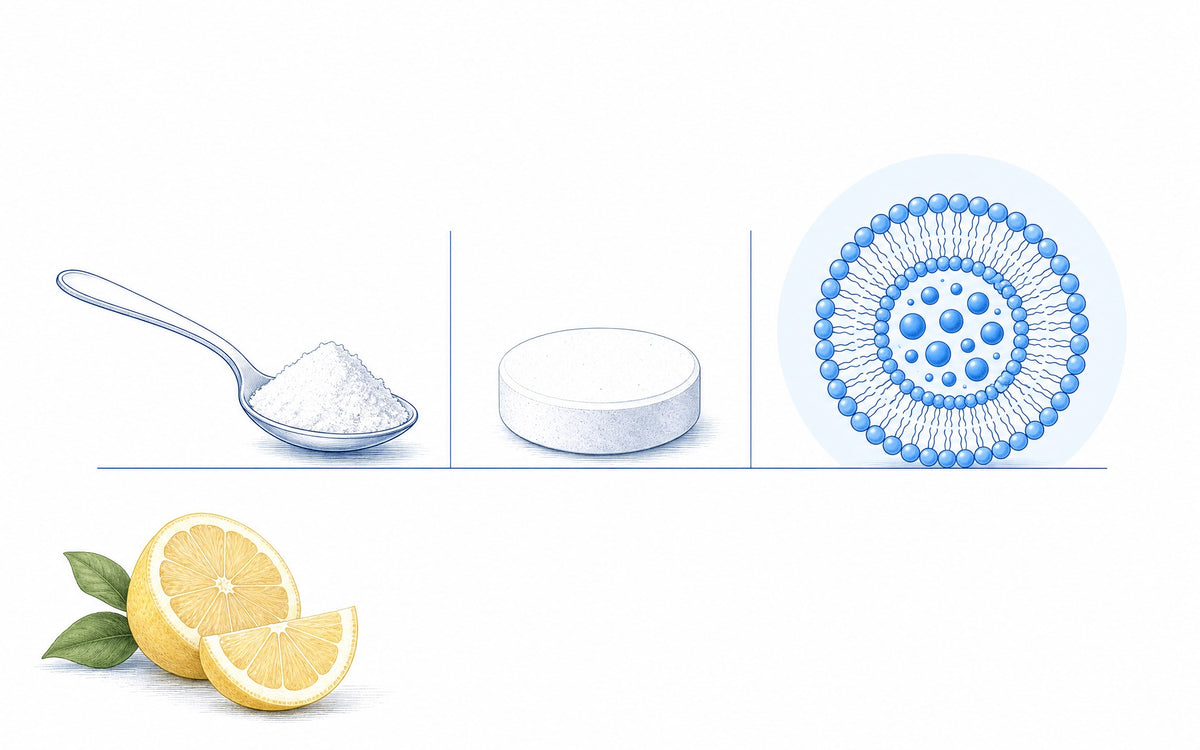
Vitamin C: liposomal, buffered or plain ascorbic acid?
Vitamin C comes in several forms: ascorbic acid, buffered and liposomal. We explain what’s behind each one, what studies have measured and how to find the form that suits you.
Myths and facts
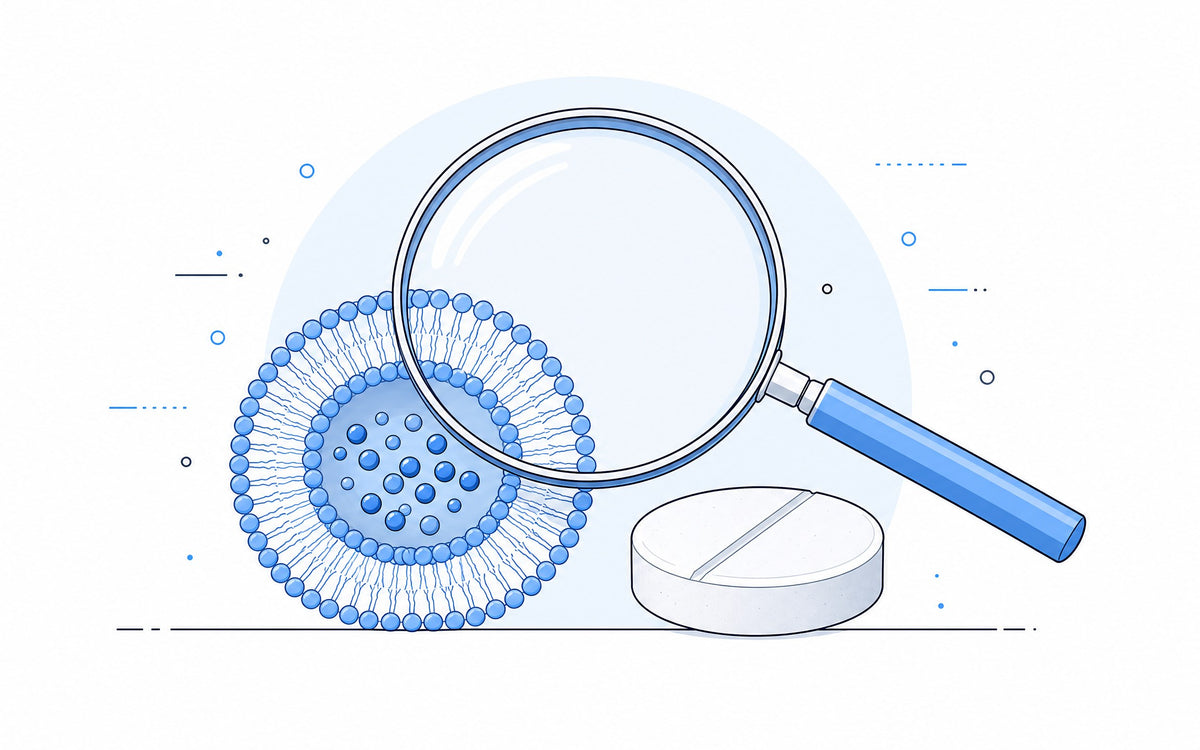
Are liposomal vitamins worth it? What the studies really show
Liposomal supplements are often seen as the better choice. Here’s why the form can help, which nutrients showed higher blood levels in human studies, and what the word doesn’t tell you.
Ingredient profiles
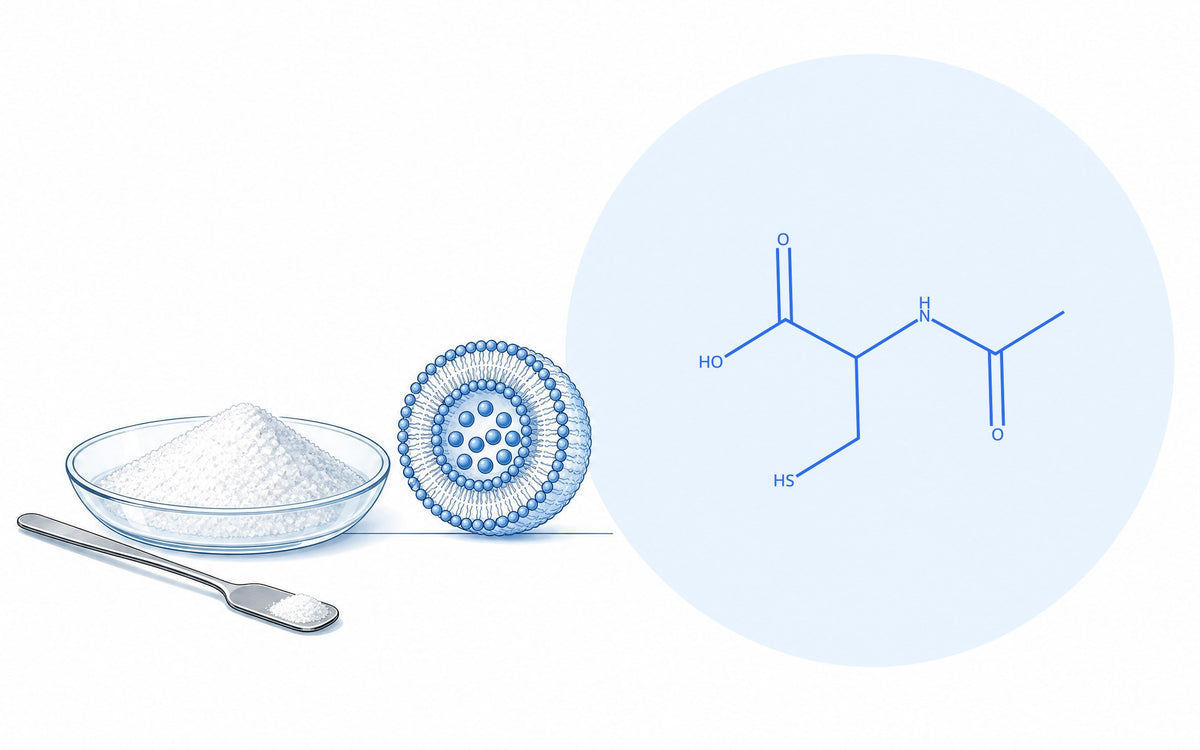
What is NAC used for? A clear guide to N-acetylcysteine
NAC is a form of the amino acid cysteine and closely linked to glutathione. Here we explain what N-acetylcysteine is and what human studies have measured.

Studies explained
Vitamin D3 and K2 studies: what the research on the combination shows
Vitamin D3 and K2 are often sold together. Here’s what the evidence on the combination looks like, and what the studies actually measured.
Dosage and use
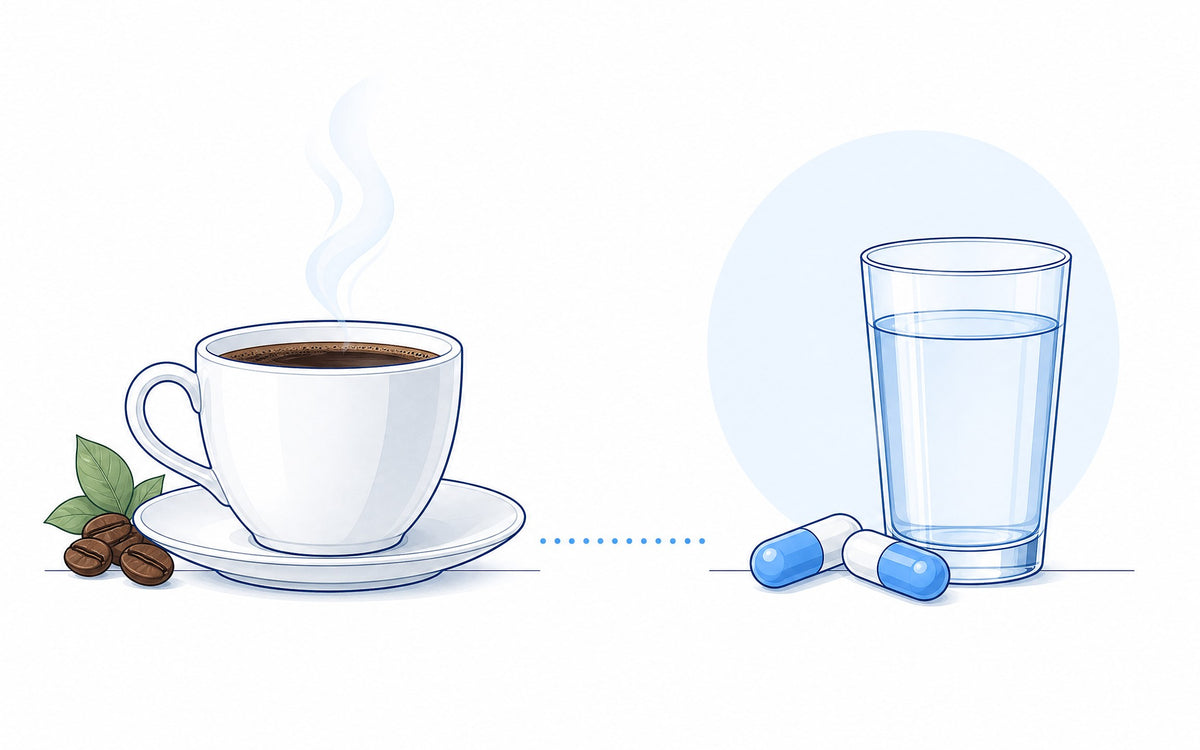
Can you take supplements with coffee? What to know about timing
For many people, the morning coffee is part of the routine, and so is the supplement. Here’s which nutrients go well with coffee and where it’s worth leaving a gap.
Comparisons
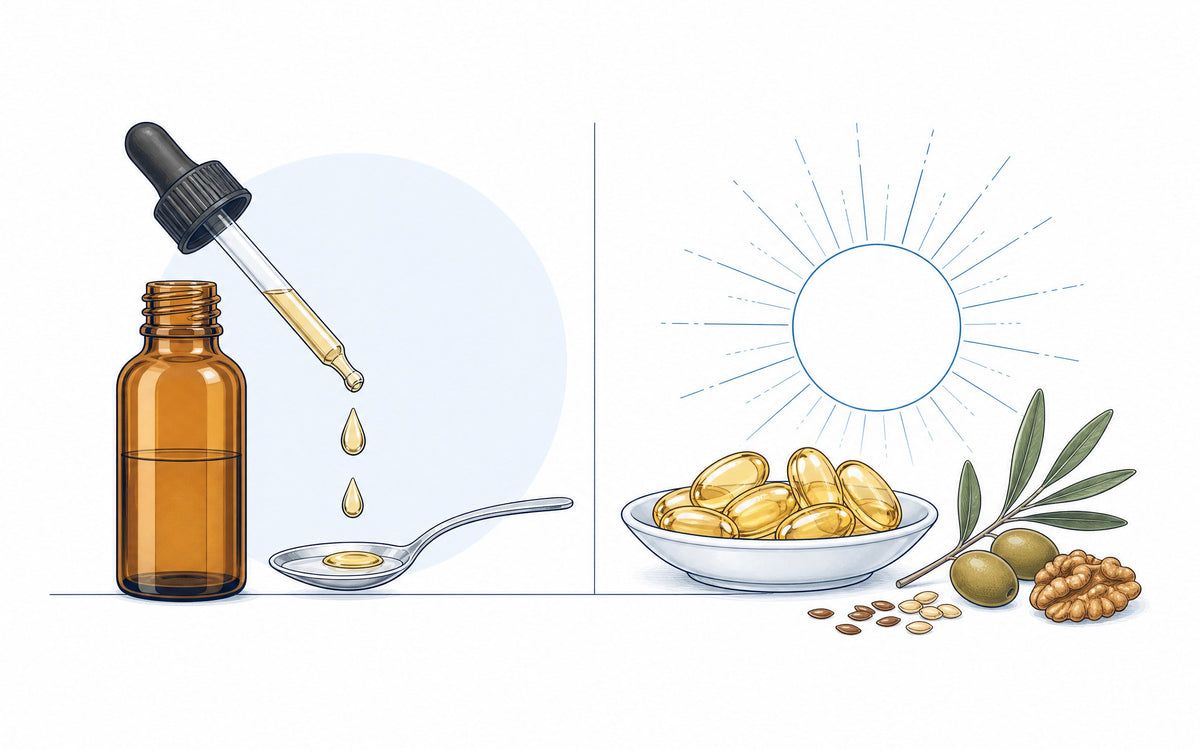
Vitamin D3 and K2: drops or capsules, which form suits you?
Vitamin D3 and K2 come as drops and as capsules. Which suits you better depends less on the vitamins themselves than on your daily routine.
Expert-reviewedOur expert team
Look out for this tick.
An article with this tick has been read and approved by a member of our expert team. You’ll see who reviewed it directly below the headline.


Liposomally formulated. So nutrients actually arrive.
Our products are available as drops, capsules and powder.